Grow Greener with Garthdee Field Allotments Association

Category: Advice Page 12 of 13

Plot Security Advice

Pat Wilson has forwarded this advice from Police Scotland.

Security
When looking at issues surrounding security always take into consideration the following three points:

APPROPRIATE – If the risk is small a simple solution will be appropriate, the higher the risk the more that will need to be implemented

REALISTIC – Make sure that whatever you suggest or implement tackles the problem or any foreseen problem

COST EFFECTIVE – The cost of whatever you suggest or implement should be in proportion to the risk and affordability

Fencing

The fencing at the allotments is actually more of a physical deterrent rather than a definitive security barrier. In order to completely prevent anyone from climbing into each allotment, a great expense would have to be paid for substantial fencing. This is not realistic or cost effective. There are some measures that you can put in place to protect your fence.

A close wire mesh fence can be difficult to climb and offers good protection. Wooden panel fencing is generally a good barrier. If putting up a wooden panel fencing nail a strip of galvanised wire along the panels at a height of a third and two thirds up the fence. On top of that attached some mesh or heavy netting to further protect the fence. A further, more extreme, measure may be to connect every panel to the posts with coach bolts to make removal more difficult.

Barb wire* (or similar) along the top of fencing. The police advise against the use of such methods of intruder prevention due to the risk of legal action if someone is injured. Of course, it is not only intruders and trespassers who risk being injured by barbed wire or broken glass. Householders owe a much greater duty of care to anyone on the property with permission.

Anti-climb paint can be painted along the top of the fence. Anti-climb paint is also known as anti-vandal, anti-burglar, anti-intruder or anti scale paint. It is basically a thick glutinous paint with a similar appearance to smooth gloss paint however when applied it does not dry and remains slippery indefinitely so preventing an intruder from gaining a foothold. However not only does it not dry it is also extremely difficult to remove from clothing so acting as an excellent deterrent to possible intruders. This makes anti climb paint a very simple, economic and effective way of protecting your property from intruders. Please note that anti-climb paint should always be applied at least 2 metres above normal access height and its presence should be clearly indicated with warning signs, it is generally accepted that warning signs should be displayed at no more than 3-4 metre intervals and in a position where they are easy to read

Prikka Strip* – is a plastic strip of spiky platy spikes Property owners must satisfy themselves that no harm will be caused by these products and should display a warning notice advertising that an anti-intruder device has been fitted. http:// www.prikka-strip.co.uk/

Shed – For information on shed and outbuildings security then please go tohttp:// www.scotland.police.uk/keep-safe/home-and-personal-property/secure-your- garden-and-outbuildings. Always carefully consider what you keep in your shed? How valuable is it? How would I cope, how would I feel if it was stolen?

DON’T KEEP VALUABLES AT THE ALLOTMENTS

For further advice on home and personal security then visit http:// www.scotland.police.uk/keep-safe/home-and-personal-property/

*Plotters are reminded that the Council prohibits the use barbed wire and similar devices on our site.
Recycling Plant Pots and Seed Trays

Some recent news from Pat at the Council:

Please find information detailed below via Adrian Atkinson, Representative, Holburn Street, to share with the plotters at your sites.

You may be aware that the Council has started to roll-out mixed recycling facilities and this includes some things that couldn’t previously be recycled locally – including ‘plastic pots, tubs and trays’. I’ve checked with the ACC waste team and this includes plastic plant pots and trays so they can now be recycled rather then put into rubbish for landfill. The new service is currently being rolled out for premises that have on-street recycling/rubbish bins – i.e. flats and tenements, with individual houses to follow at a later date but it does mean that you might have a mixed recycling bin nearby (as we do in Ferryhill) that you could use. Check this link for more details.

http://www.aberdeencity.gov.uk/waste/waste_recycling/waste_onstreet_mixed_recycling.asp

Regards

Pat

Pat Wilson
Project Support Officer

A little bad news

I was sorry to get this bad news from Sonya by email earlier this week:

Last Saturday, I went up to my plot (97b) with the intention of removing some bags of weeds to take to the municipal skip. Unfortunately, I slipped on the concrete paving and broke my leg and ankle bones in 3 places and will require an op to put pins in. It had been lightly raining, earlier, and I think it was a small clod of mud that I slid on, despite wearing stout shoes. It happened all so fast.

Anyway, I was wondering if you could put something on the website about safety (esp with wintry weather on the way) and advising other plotters to be careful. I wouldn’t wish this upon anyone. I am just thankful I had my friend with me as there was no one else about and I could have been stuck there, for a while, esp as I don’t have a mobile phone!

Sonya’s is a wee reminder that mishaps are only ever a step away and we all need to take care when on site or working on our plots. I am sure we will all wish Sonya all the best for a speedy recover and return to her plotting as soon as possible.

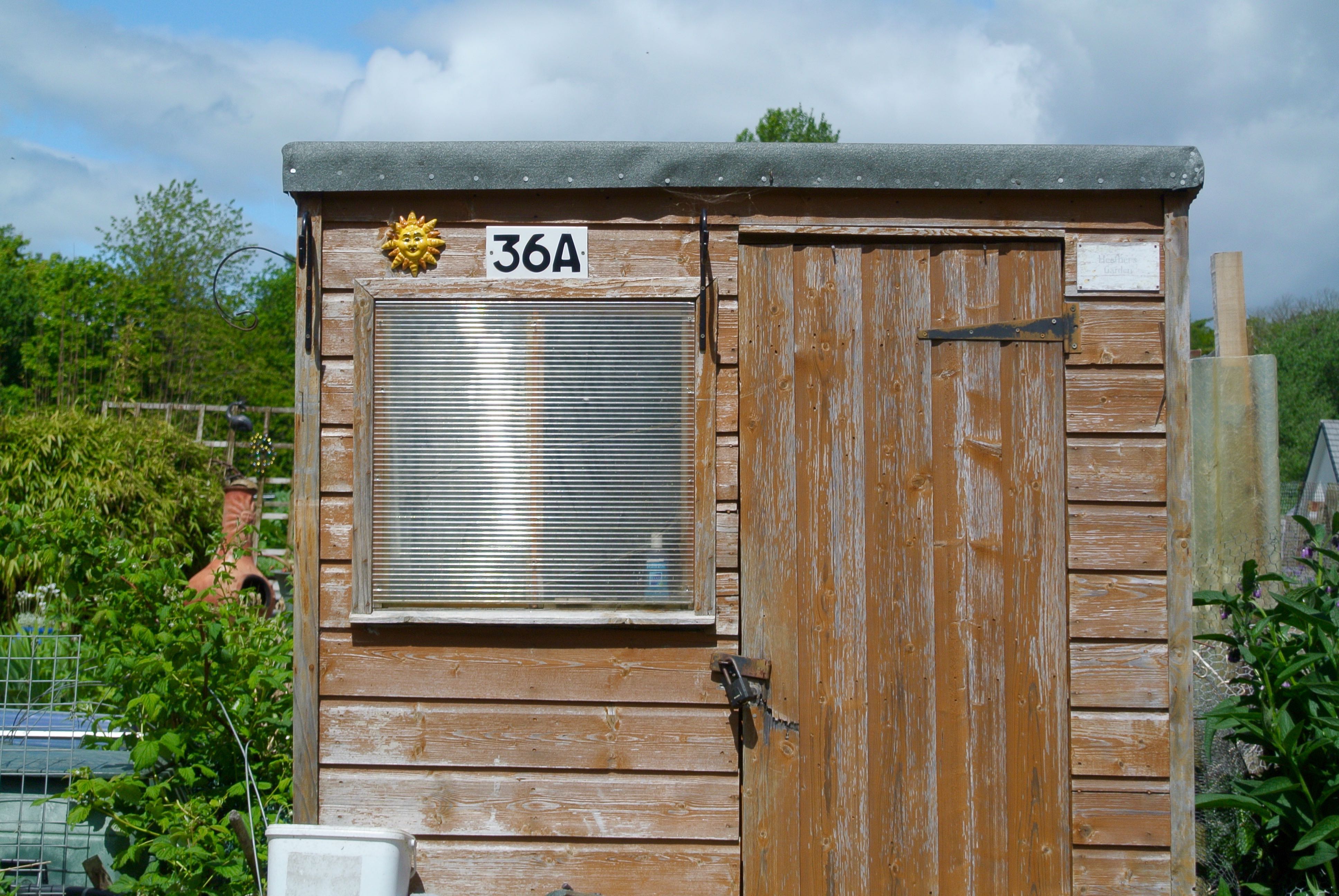
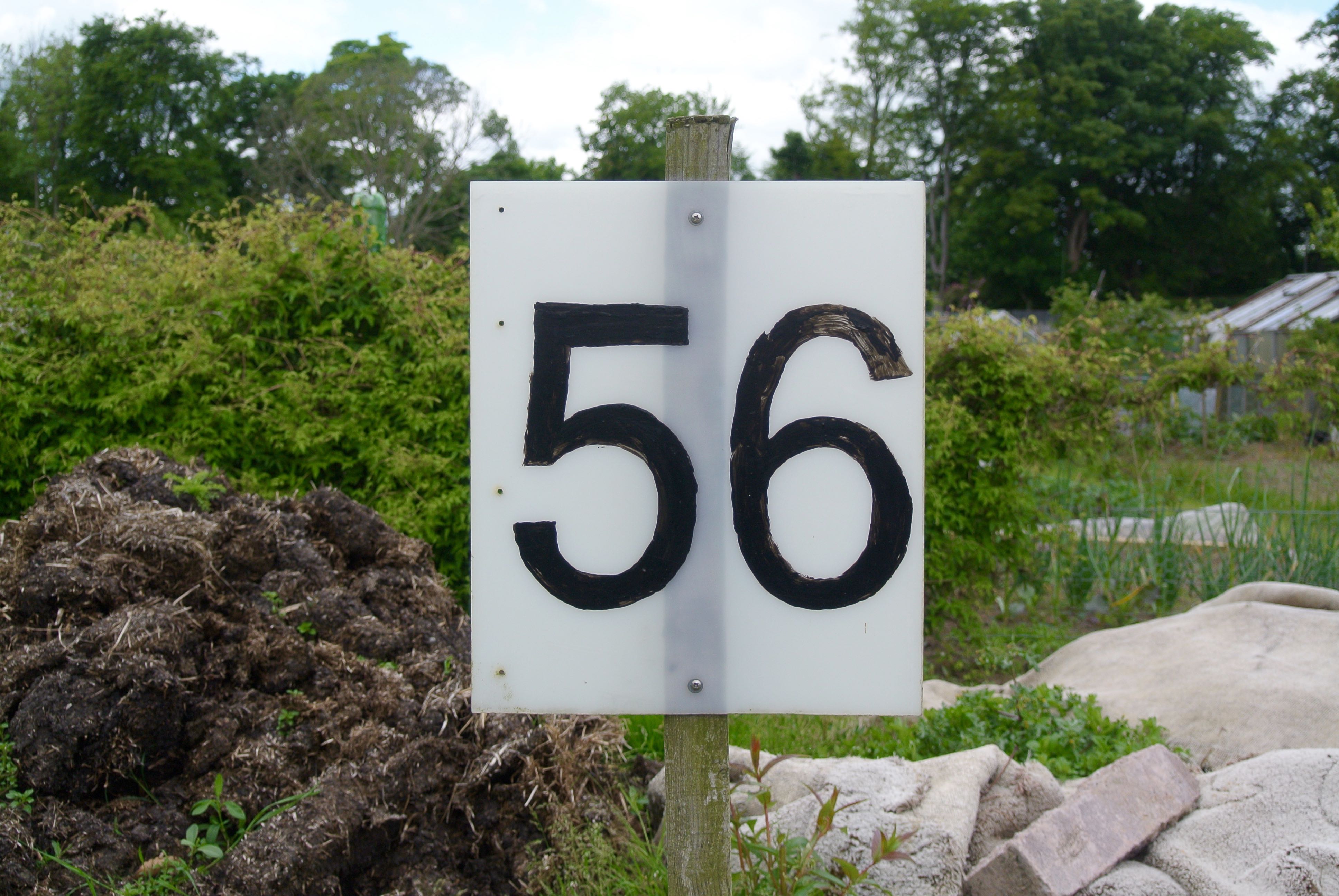
What’s in a number?

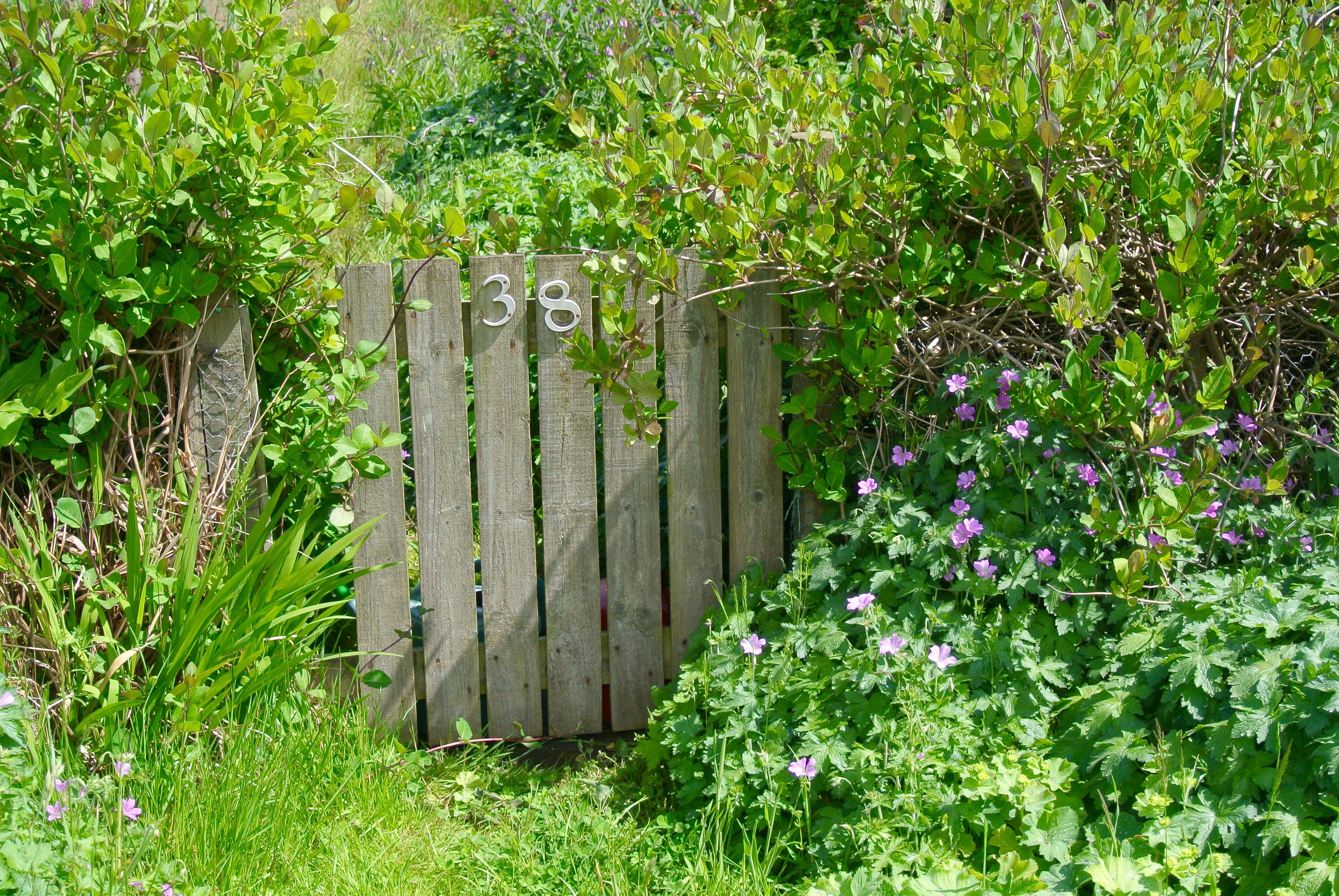
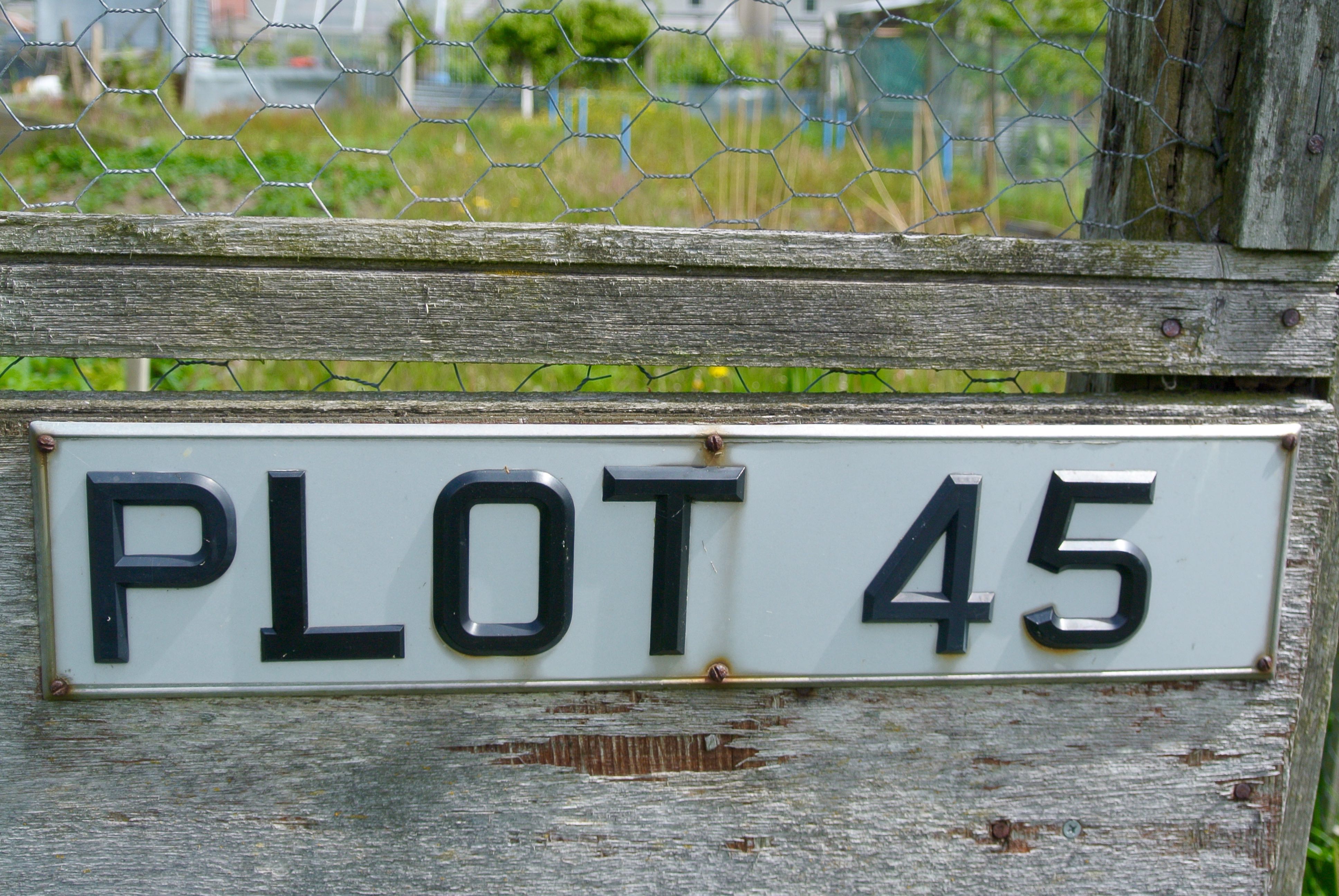
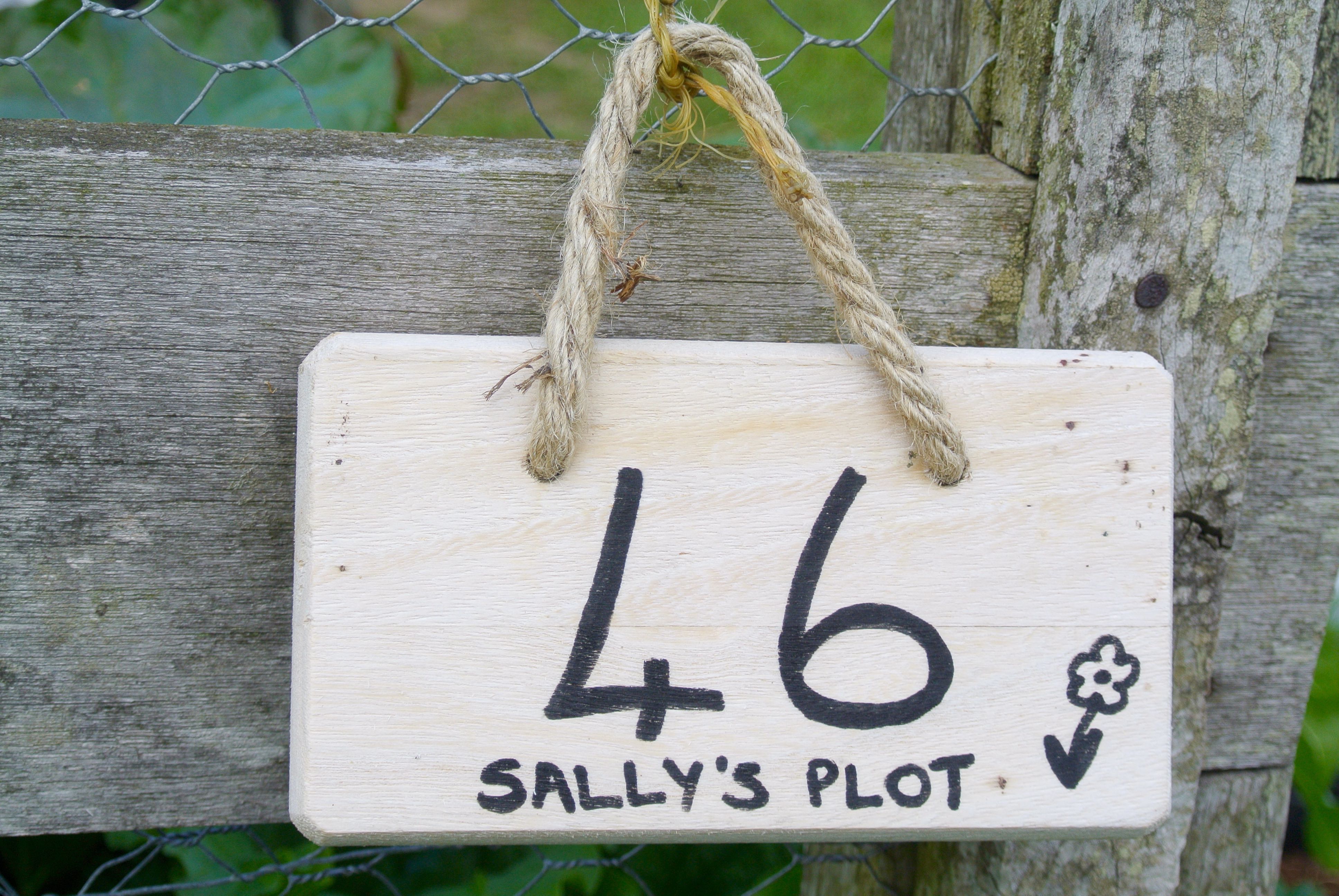
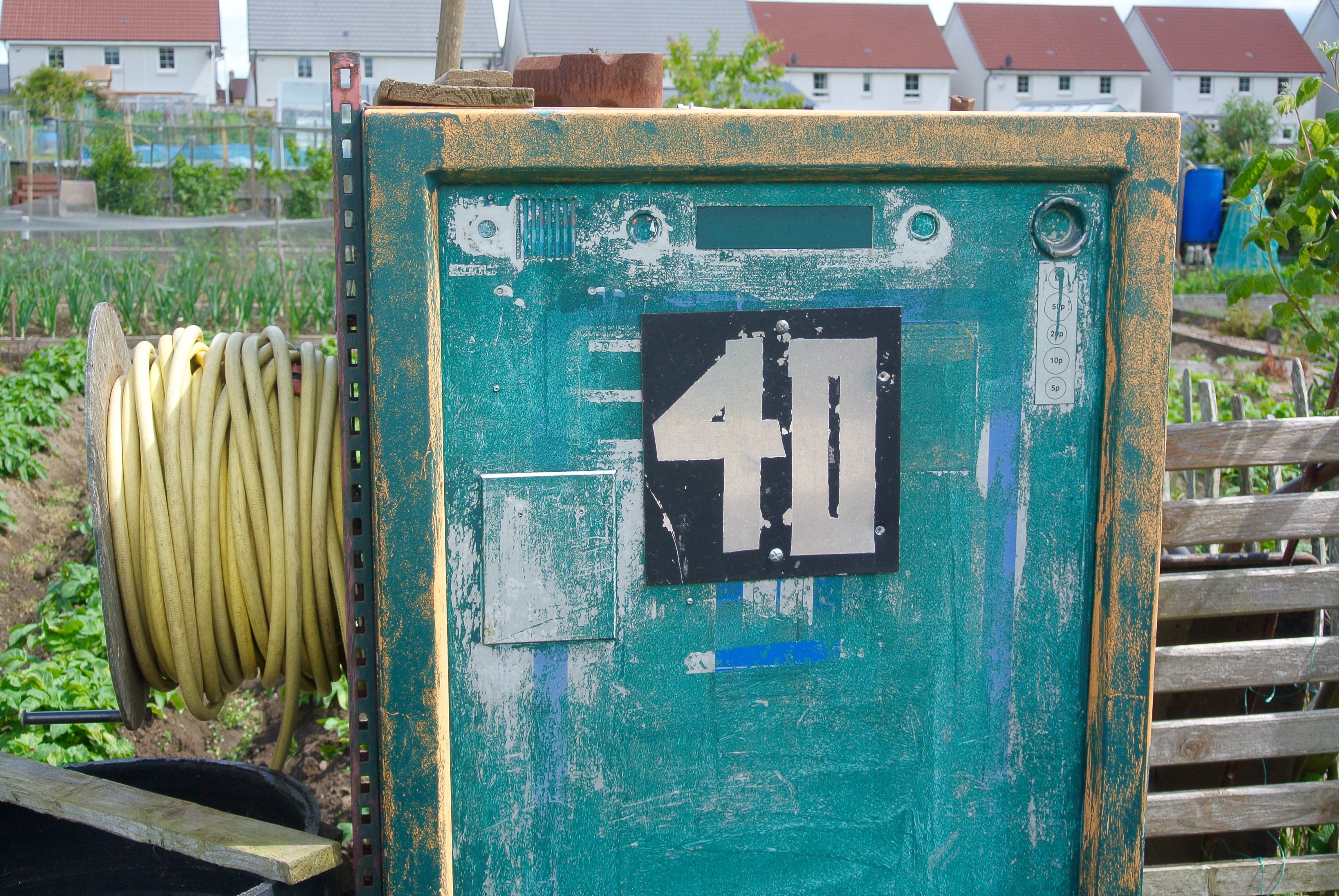
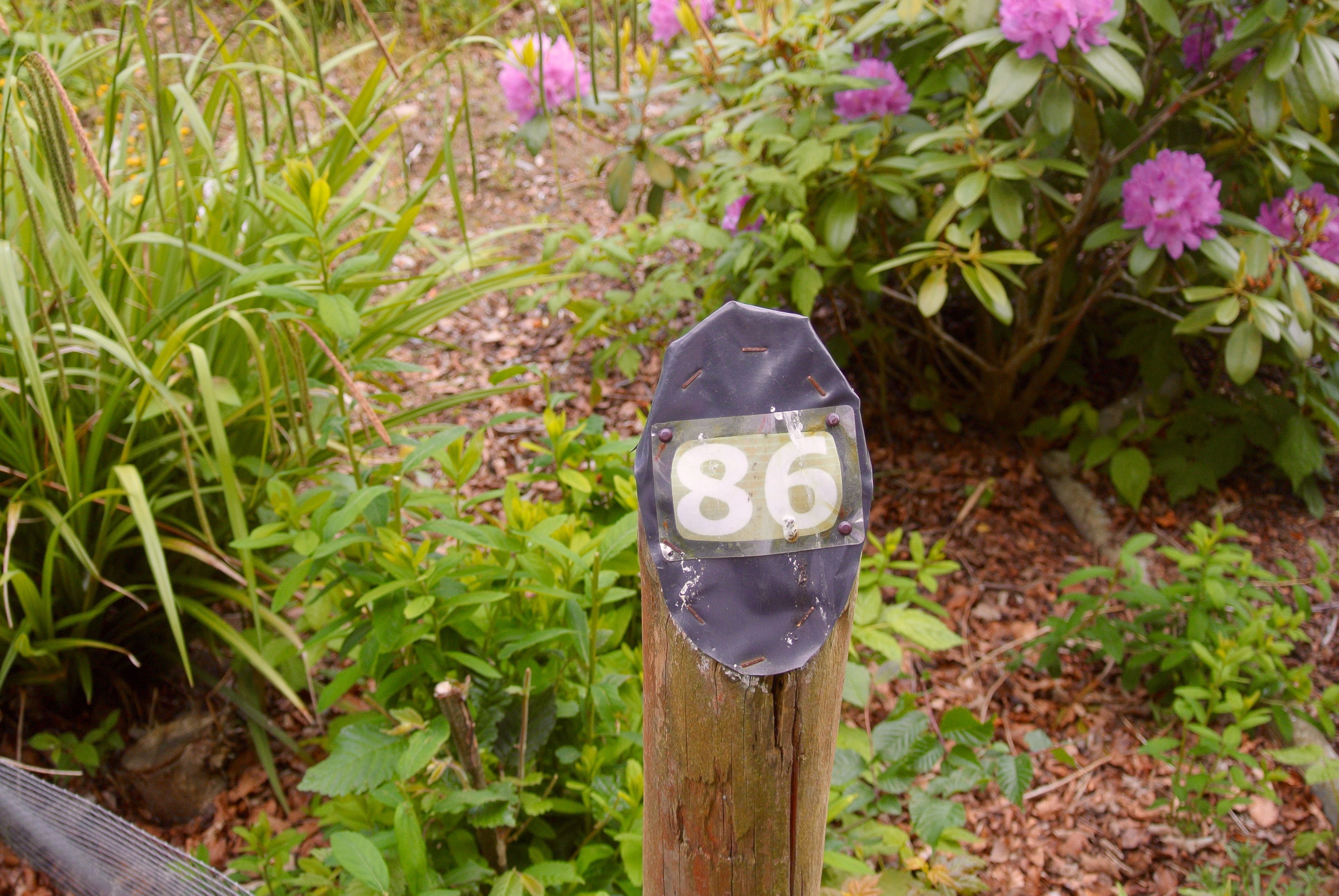
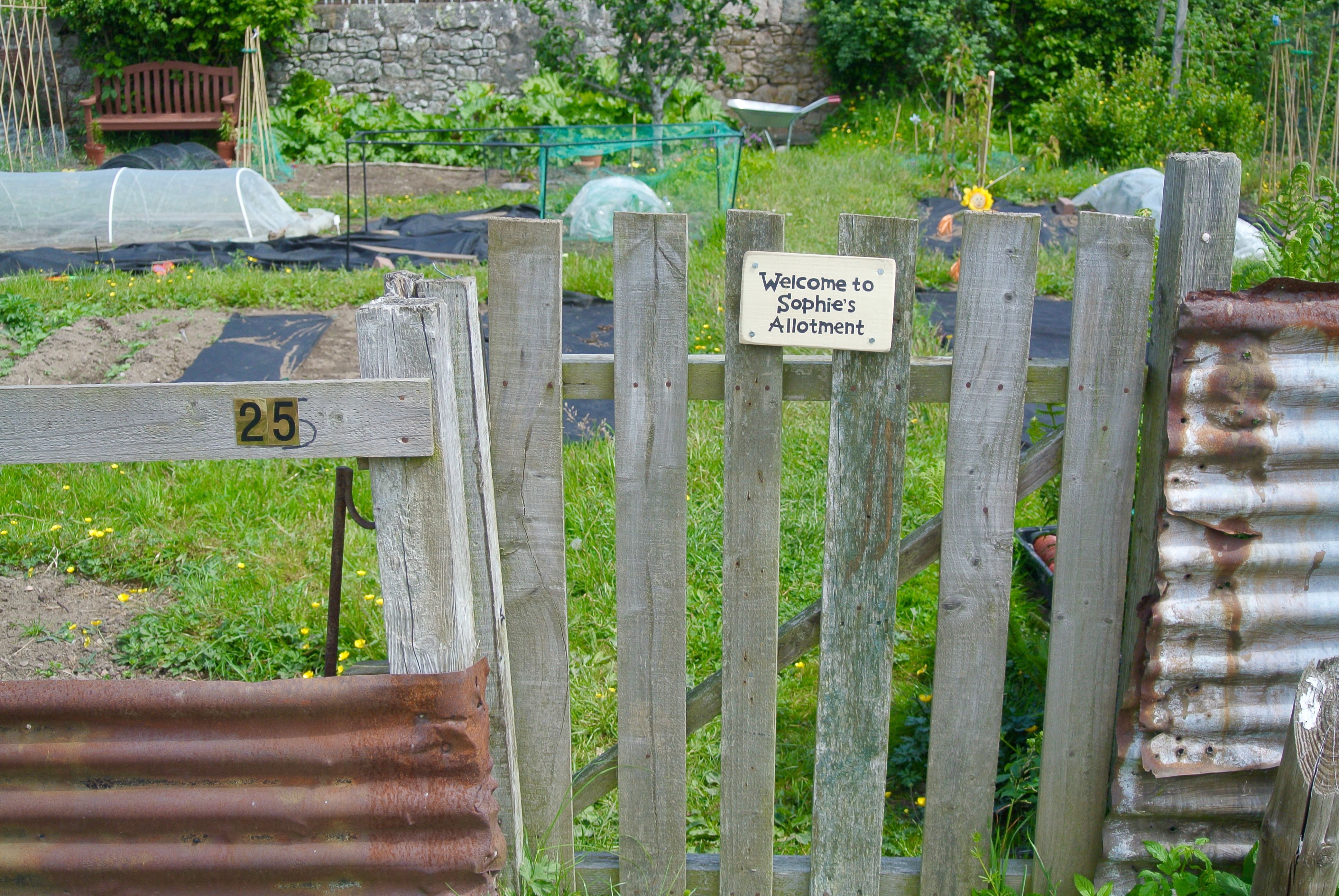
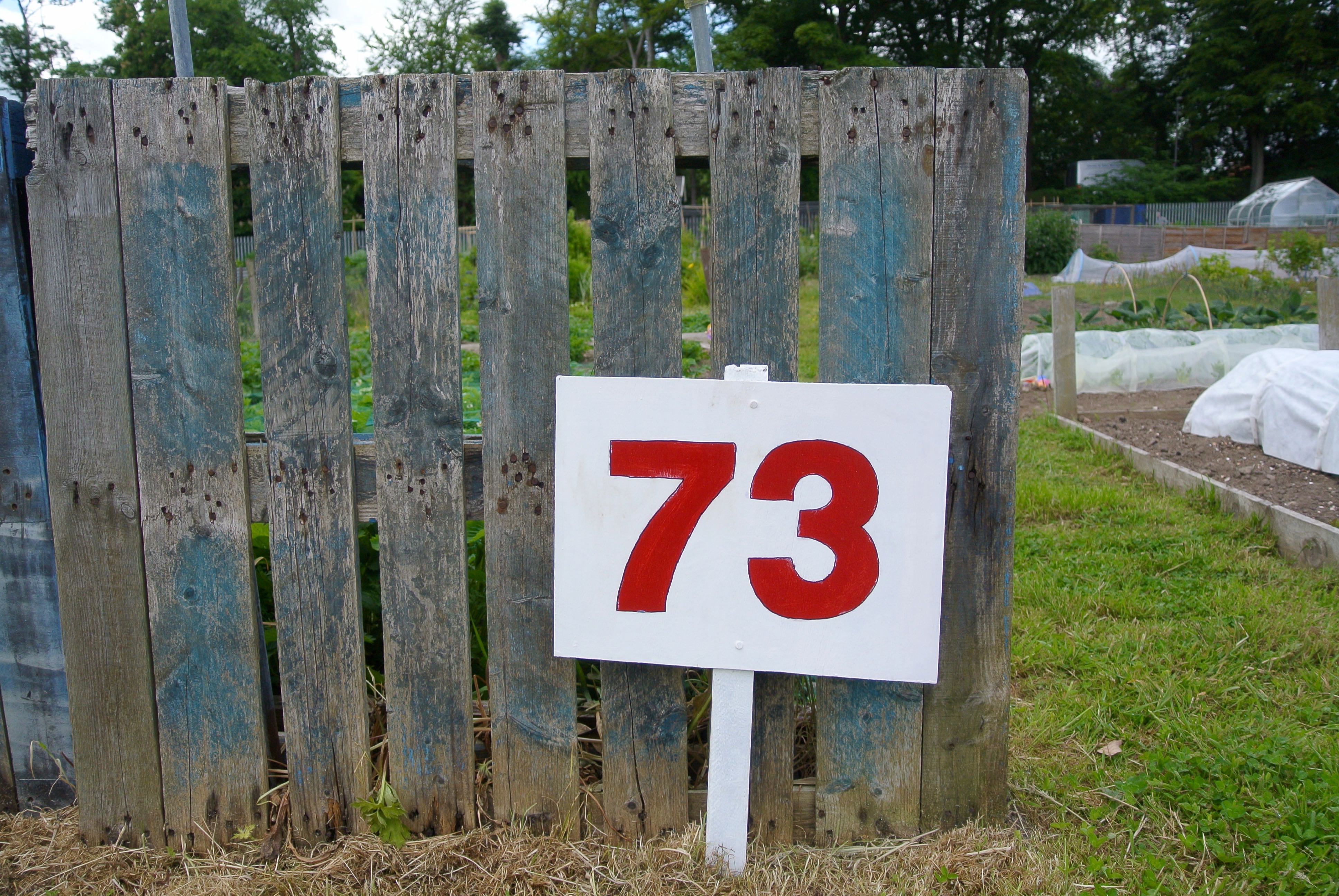
The Council requires each plotter to mark clearly the number of his or her plot. But as this top ten of signs shows, identifying your plot does not have to be expensive or complicated.

 Bright and breezy


Bright and breezy

 Engineered to last


Engineered to last

 As nature intended


As nature intended

 Ready for the road


Ready for the road

 Arts and crafts


Arts and crafts

 Ageless


Ageless

 Sun-kissed


Sun-kissed

 Cheap as chips


Cheap as chips

 Improvised


Improvised and up-cycled

 Welcoming


Welcoming

Save Our Bees

I wonder, if like me, you have been aware of how few honey bees we see in our gardens and on our plots these days?  While yesteryear they were everywhere, now they now only put in rare appearances.

It’s an almost unthinkable thought, but if we don’t manage to do something to help our bee colonies soon, we may lose them. Our bees are embattled today as never before and seem to be under attack on every front. Individually and collectively, locally and nationally we need to come to their assistance.

2015-06-17 at 10.17


Change.org has a petition running for Friends of the Earth at present and are offering a packet of free wildflowers to everyone who signs: So for a few moments of your time you can demand action nationally and help take some practical steps locally on our site to help our buzzy friends along.


Aberdeen and It’s Your Neighbourhood

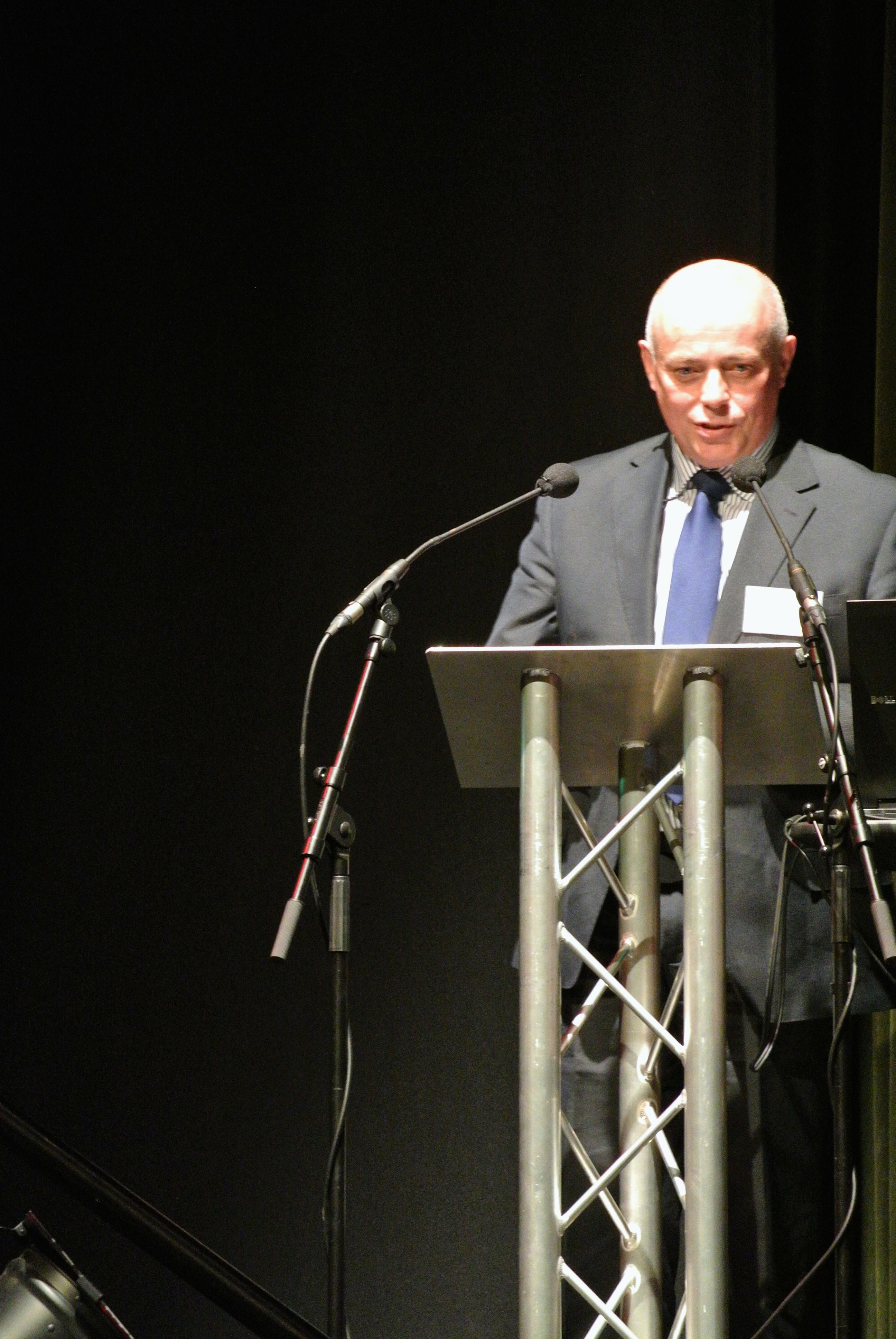
Sandy Scott from ACC

Sandy Scott from ACC

Aberdeen was well represented at this week’s IYN event in Stirling. Fifteen city organisations won awards and Aberdeen provided two of the keynote speakers.

Sandy Scott from Aberdeen City Council gave an interesting account of his experiences as a Beautiful Scotland judge. He stressed that he and his fellow judges likes to see passion, a sense of place and history and lots of community involvement in projects and organisations – especially from youngsters.

Sandy offered lots of practical advice for those being considered for IYN or Beautiful Scotland awards:

  • be prepared for visiting assessors – have some brollies to hand or water bottles on hot days
  • encourage as many as possible to come along and have their say
  • point up ties to local heritage and traditions
  • use interpretation panels and photos
  • don’t be afraid of showing some humour
  • get the next generation and schools involved if possible
  • show off your pride and your passion for your site
  • demonstrate examples of recycling and repurposing
  • provide evidence of all year round activities
  • provide examples of press coverage and other publicity events
  • apparently scones and pancakes often play their part in successful visits!
Wendy Gibson (Slopefield)

Wendy Gibson (Slopefield)

Wendy Gibson from the Slopefield Allotments Association gave a great account of their history and work towards achieving their outstanding award. They have worked hard at site and association improvements including:

  • adding a pond and wet area.
  • planting areas of wild flowers
  • inviting local councillors to their community days
  • developing their communal area and repurposed James Hutton Hut
  • holding seed swap days and awards events – including welly-throwing!
  • exploiting plotters links to business and community resources
  • working with their local primary school on visits and curricular activities
  • establishing bio-diversity partnerships and projects
  • seeking advice from IYN assessors and representatives
  • bribing Community Sunday volunteers with tea and cake after work sessions!


Page 12 of 13

Powered by WordPress & Theme by Anders Norén