Grow Greener with Garthdee Field Allotments Association

Category: Advice

Green Manures – yes or no?

When we took over our plot four years ago the soil was in pretty poor condition. The plot hadn’t been worked for a few years and the soil was very compacted and looked generally lifeless. At the time the mushroom compost source had dried up and there was no advertised opportunity to source farmyard manure.

English: Green manure crop This field is plant...

English: Green manure crop This field is planted with clover, an important green manure crop which fixes nitrogen in the soil. (Photo credit: Wikipedia)

During the first two winters I sowed several types of green manure – clover, grasses and mustards. The grasses were less than successful: coverage was patchy and the results were easily confused with grassy weeds that grew naturally. The mustard was more successful, however, and provided a good, thick coverage of green and a rich network of fibrous roots. Both greens and roots dug into the soil easily in the spring time and I got the impression they were helping break up the compacted soil.

However, the following year I managed to source some dung and chose to dig that in in the autumn and over the winter instead of sowing a green manure crop.

I see the RHS recommend some green manures, but also point to problems they can create.

This year I am not sure what to do. I wonder what others feel about green manures and which if any they use and recommend?  What are the pros and cons in your experience?

Update: Thanks go to Alison for this very useful link to the Green Manure Company.

Composting

I have just come across Martina’s Three Part Guide to Composting over on the Recycle for Aberdeen blog. Martina provides a very useful beginner’s guide to the hows and whys of composting.

Part 1 covers the benefits of composting and suitable compost bins.

Part 2 deals with how to feed your compost bin with the right balance of ingredients, combining Green/Wet and Brown/Dry materials.

Part 3 tells you when and how to use your compost and offers a troubleshooting guide if things go wrong.

Composting our green and brown waste is a great way of getting a soil improver free and helps us do our bit to make Aberdeen a little greener by cutting the use of landfill.

Unwelcome Visitors

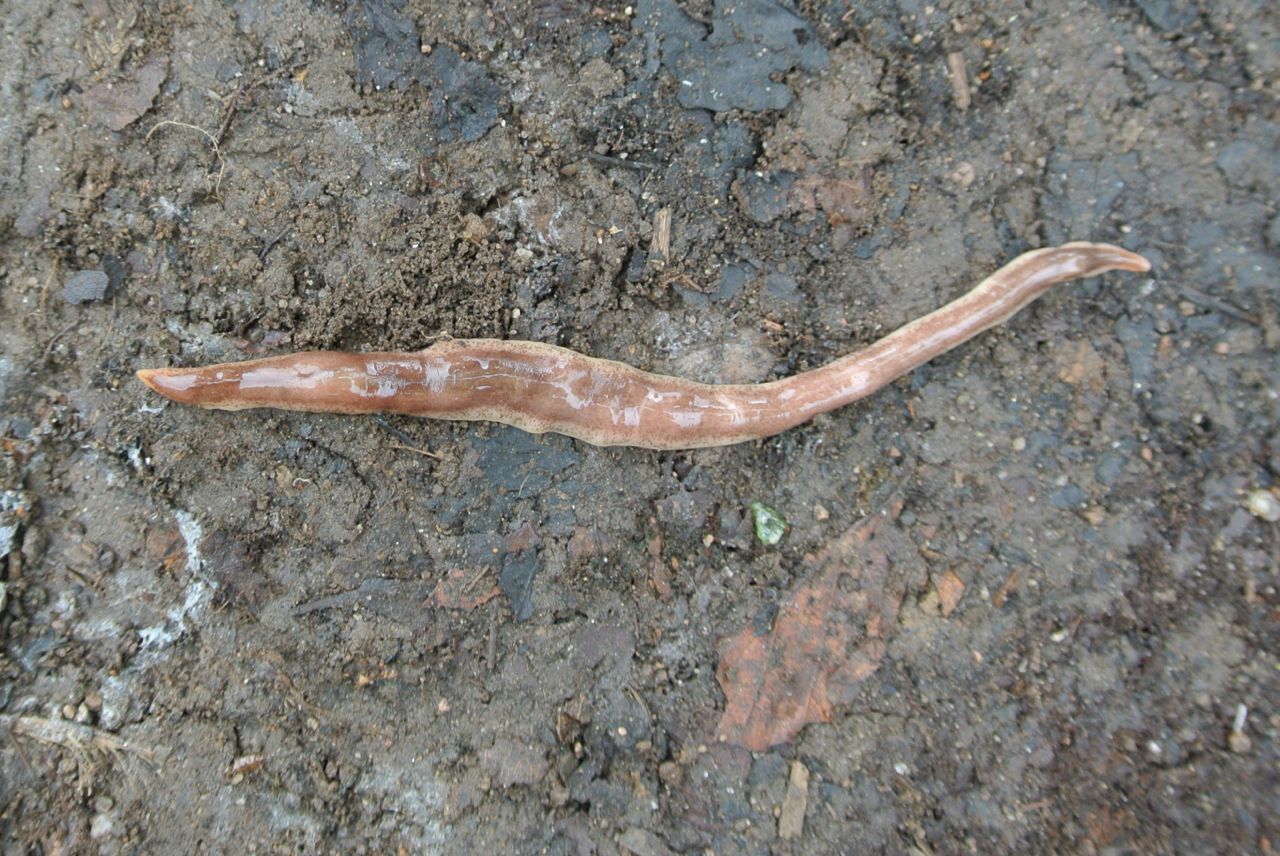
The NZ flatworm

The NZ flatworm

Stuart recently circulated an email reminding us that New Zealand flatworms have been resident on our site for several years now.  If you are lucky enough not to have come across any on your plot, you want to look out for them – they are a murderous bunch and live almost exclusively on our native earthworms.

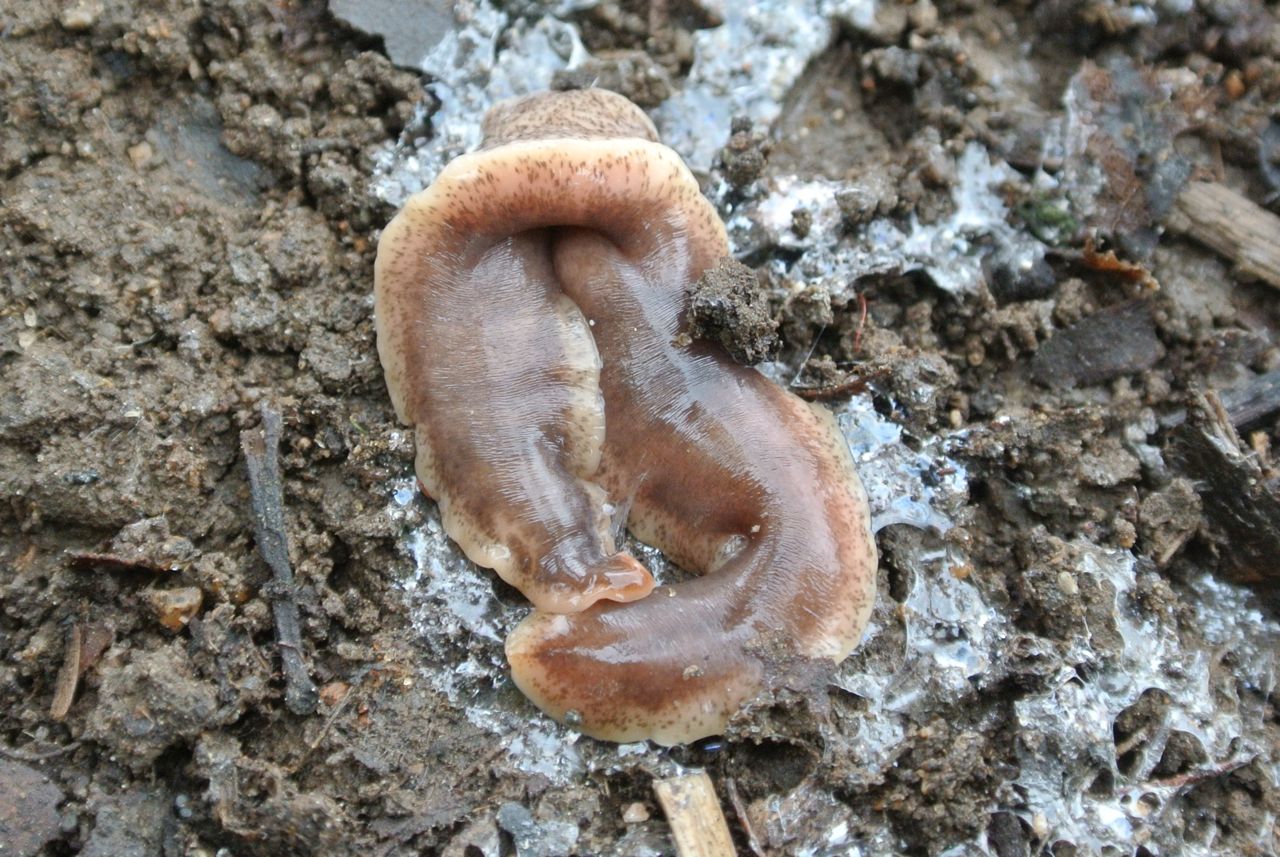
Some of our plotters report finding no earthworms in their soil for the last four years or more and NZ flatworms (Arthurdendyus triangulates) are the obvious suspects. They kill their smaller earthworm prey in the most unpleasant way – covering them in mucus to part-digest them, then sucking up their remains. They have a voracious appetite and will quickly decimate local earthworm communities if left uncontrolled.

Know your enemy

Know your enemy

They are not a problem limited to our area. Researchers from Scottish Natural Heritage indicate they are present across much of Scotland as this Advice Note and Distribution Map shows. Early reports from the 1960s, when they first appeared in the UK, warned of the possible elimination of our earthworm populations, but more recently commentators have suggested that with help our earthworms may be able to come to terms with the interlopers. Research is on-going at The James Hutton Institute and sightings should be reported to Dr Brian Boag via the above link.

Control Measures

Can we fight back? Unfortunately, it seems that once established the New Zealand flatworm cannot be eradicated: however, their local impact can be reduced to a degree. The following methods are suggested:

  1. Inspect any pots or containers of bought or swapped plants before planting to prevent new infestations.
  2. Look under flat stones or wood etc. as the flatworms retreat to these locations during the heat of the day.
  3. Lay such traps, or peg out sacking to find if they are present.
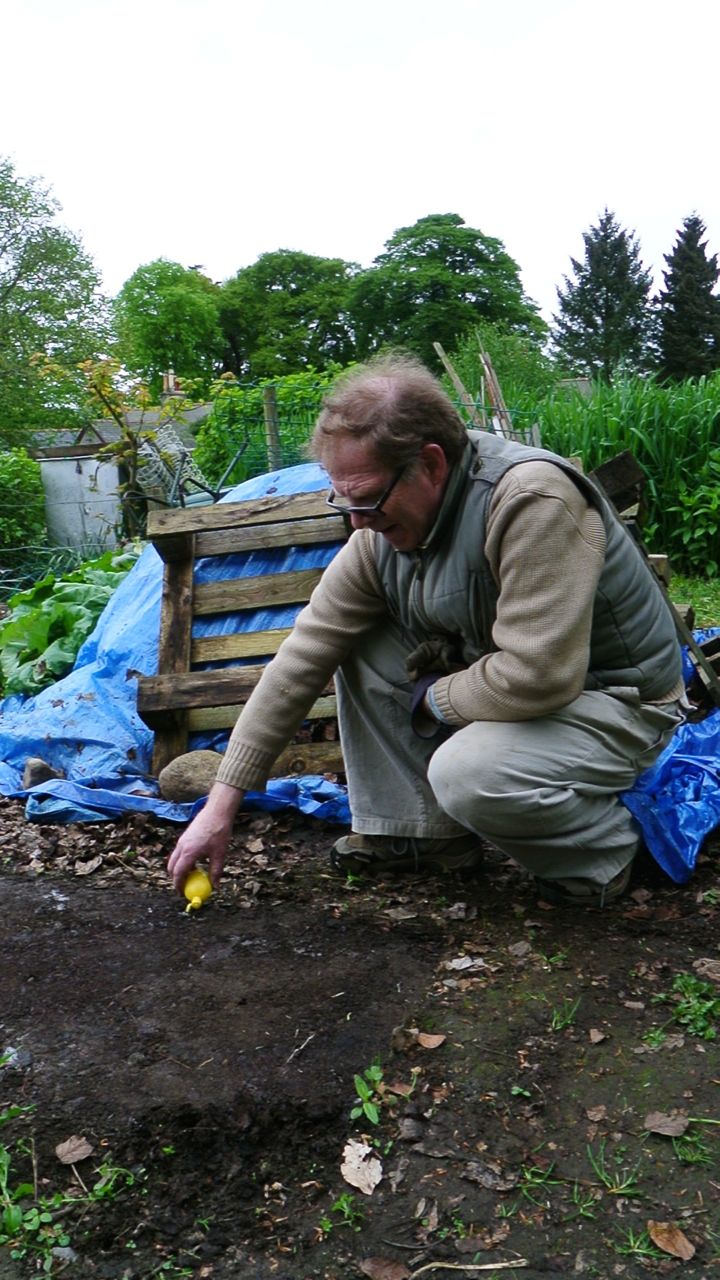
  4. Kill any flatworms found by grinding between stones, completely squashing, dropping them into very salty water or spraying them with lemon juice.
  5. Ground and Rove Beetles are reported to prey on the adults.
  6. Add farmyard manure to help introduce more earthworms.
Bruce on flatworm patrol

Bruce on flatworm patrol

Need more information?

Pat Wilson circulated a recent Factsheet – see Stuart’s email.

Related articles

Page 13 of 13

Powered by WordPress & Theme by Anders Norén