Post made on behalf of Susan:
Post made on behalf of Susan:
We have just received the interim report from OPAL and the University of Aberdeen on our flatworm problem. It does not make for great reading as it suggests that over 70% of our plots are infested with these pests.
Suggestions as to how to deal with flatworms, taken from this very helpful report, has been incorporated into a new page under the Advice and Support tab above. You will also find a copy of the interim report.
Stuart
Application forms for the 2017 competition are now available and entries have to be returned got to be returned to Aberdeen City Council by 14 July. We have always been big supporters of the City’s, Britain in Bloom efforts and I hope we will see the usual big entry from plotters this year. A good level of entries helps show how keen we plotters are on our allotments and the Council’s work to support green spaces and gardening.
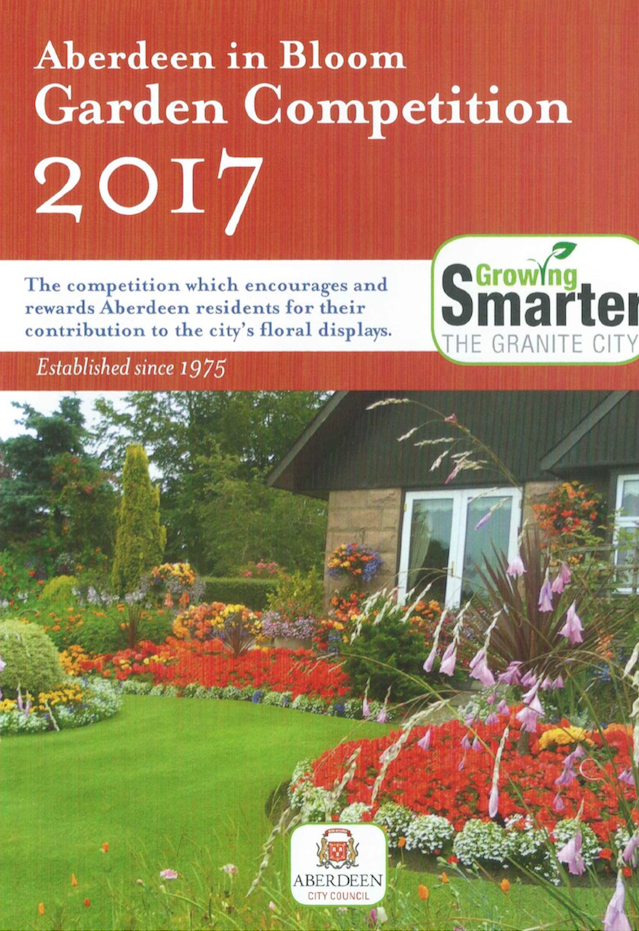
Plotters can pick up an entry from from the Bothy or from Council offices and libraries. Alternatively, you can submit your entry online via the Aberdeen in Bloom Page.
I hope we will see a bumper crop of entries this year!
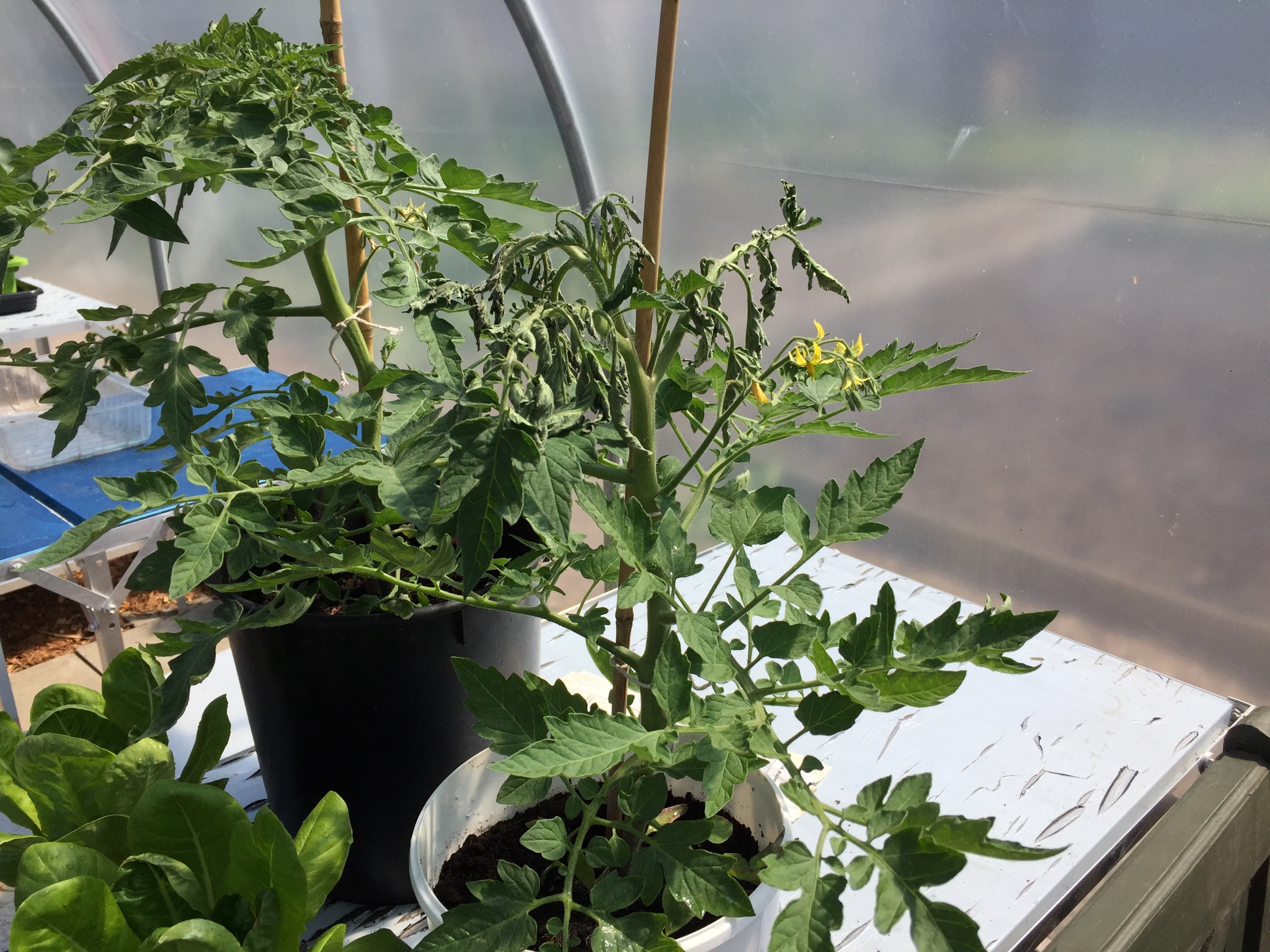
Things have been doing great in the Polytunnel this season, but the plants can easily scorch in the heat if the doors are not opened for ventilation. If you notice the doors are closed on arrival on site please open them up if you can.
My thanks to Stephanie Morrison from RGU for alerting me to this very interesting article on possible funding sources, but just how much work is needed to secure them.
One of the, “It’s Your Neighbourhood” priorities this year is that we plotters do as much as we can to encourage and protect our native bees.
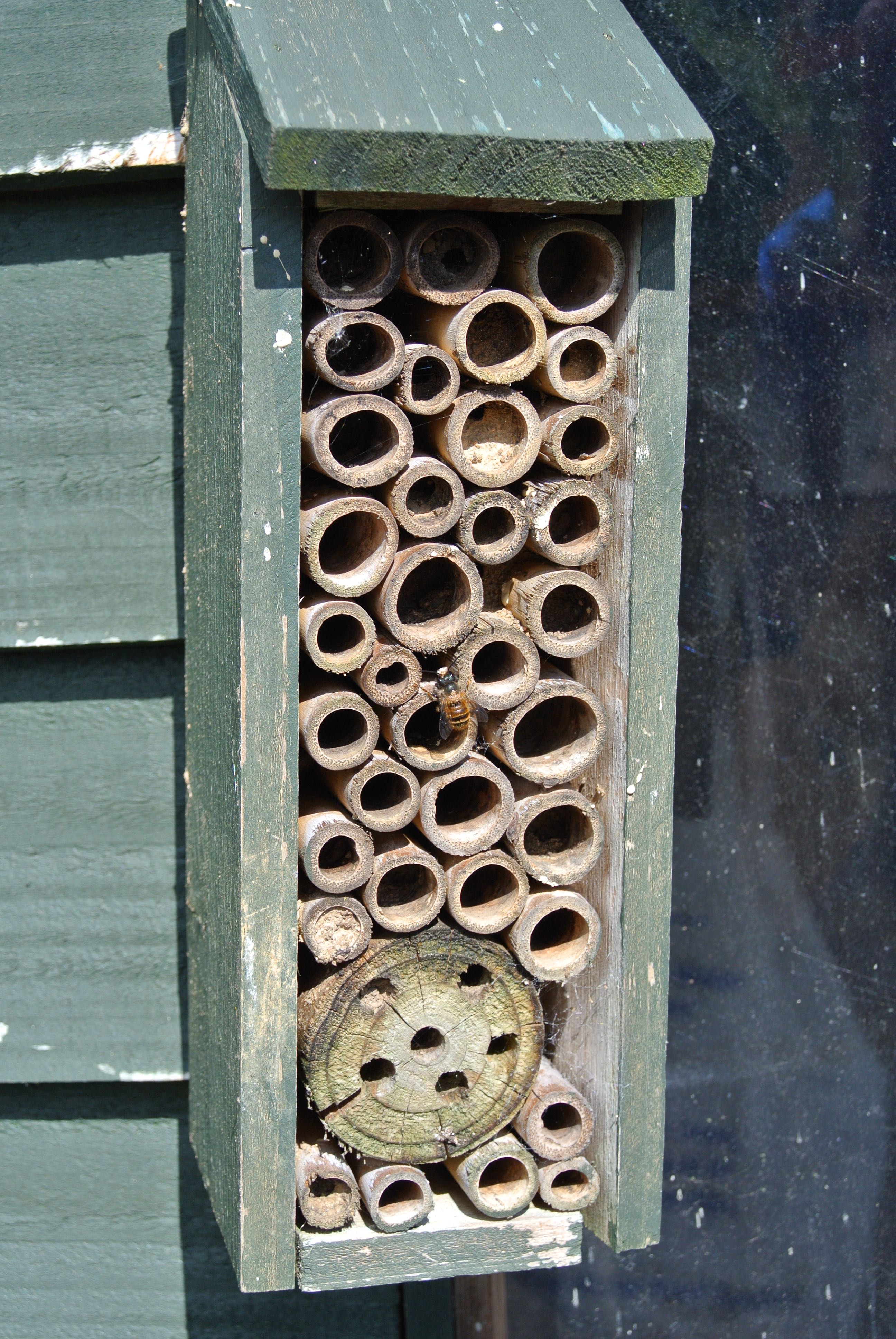
It’s common knowledge that bees have been having a tough time of late. They are vital to the success of many of our crops and it makes sense for us to give them all the help we can. The Royal Horticultural Society has a nice wee video that shows in four minutes just how easy it is to lend our bees a helping hand.
RHS suggests these simple steps to help our honey, bumble and solitary bees:
On this last point, the City Council is reviewing its ban on bee-keeping on allotment sites and a new policy may be announced soon.
So, what could GFAA do to be bee friendlier?
Powered by WordPress & Theme by Anders Norén


