This session will be of interest to plotters. Scott Dow (Micro-plotter) or Phil (Plot 35) can offer some background if needed.
This session will be of interest to plotters. Scott Dow (Micro-plotter) or Phil (Plot 35) can offer some background if needed.
Thanks go to Phil (Plot 35), Sonya (Plot 97B) and John (Plot 50) for prompting this post and the photos.
It was good to be reminded this week that Garthdee Field is such a great, natural green space for wildlife as well as growing.
Sonya sent me these photos taken by her granddaughter, Erica.
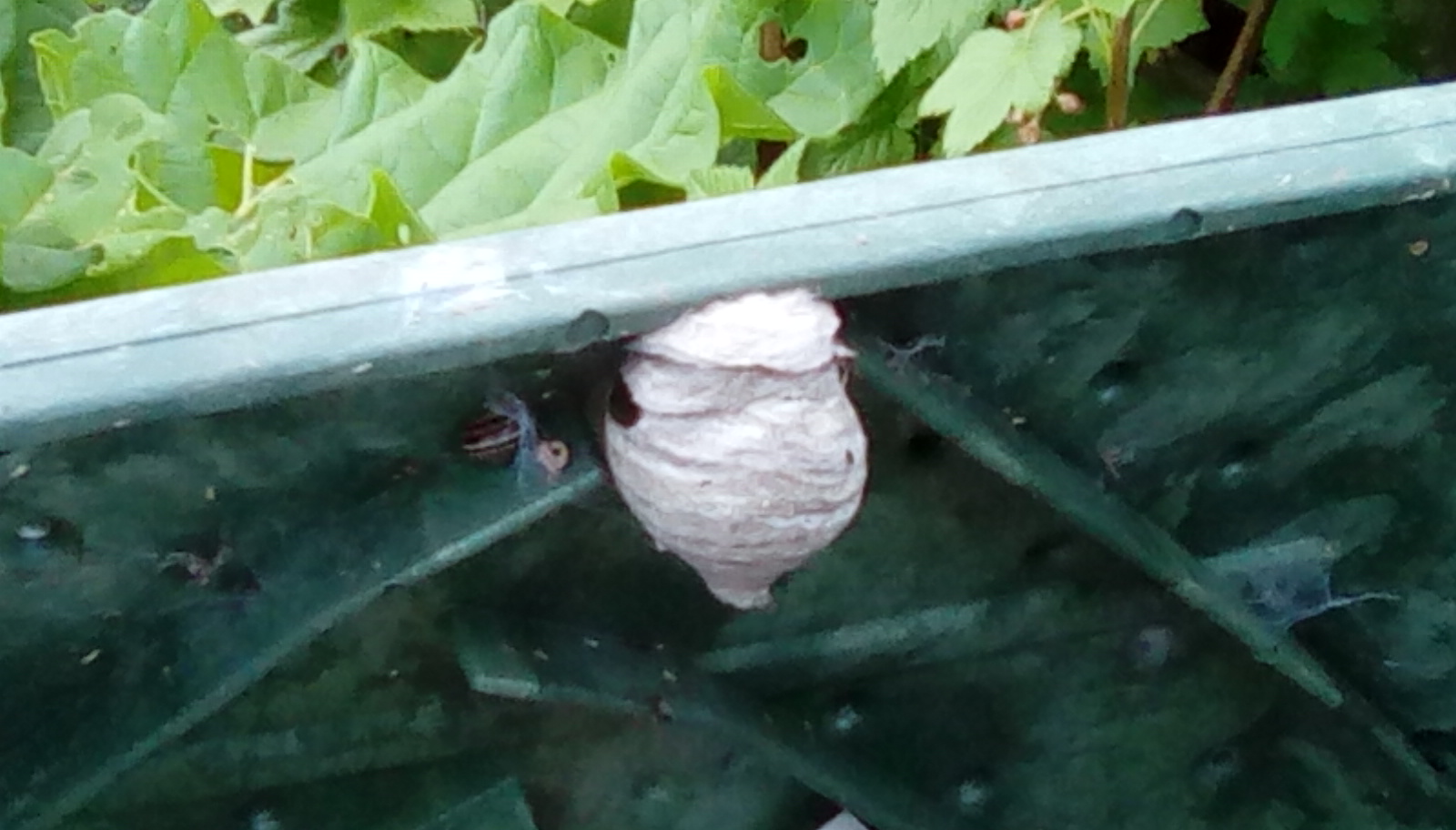
Photo Credit: Erica Berry
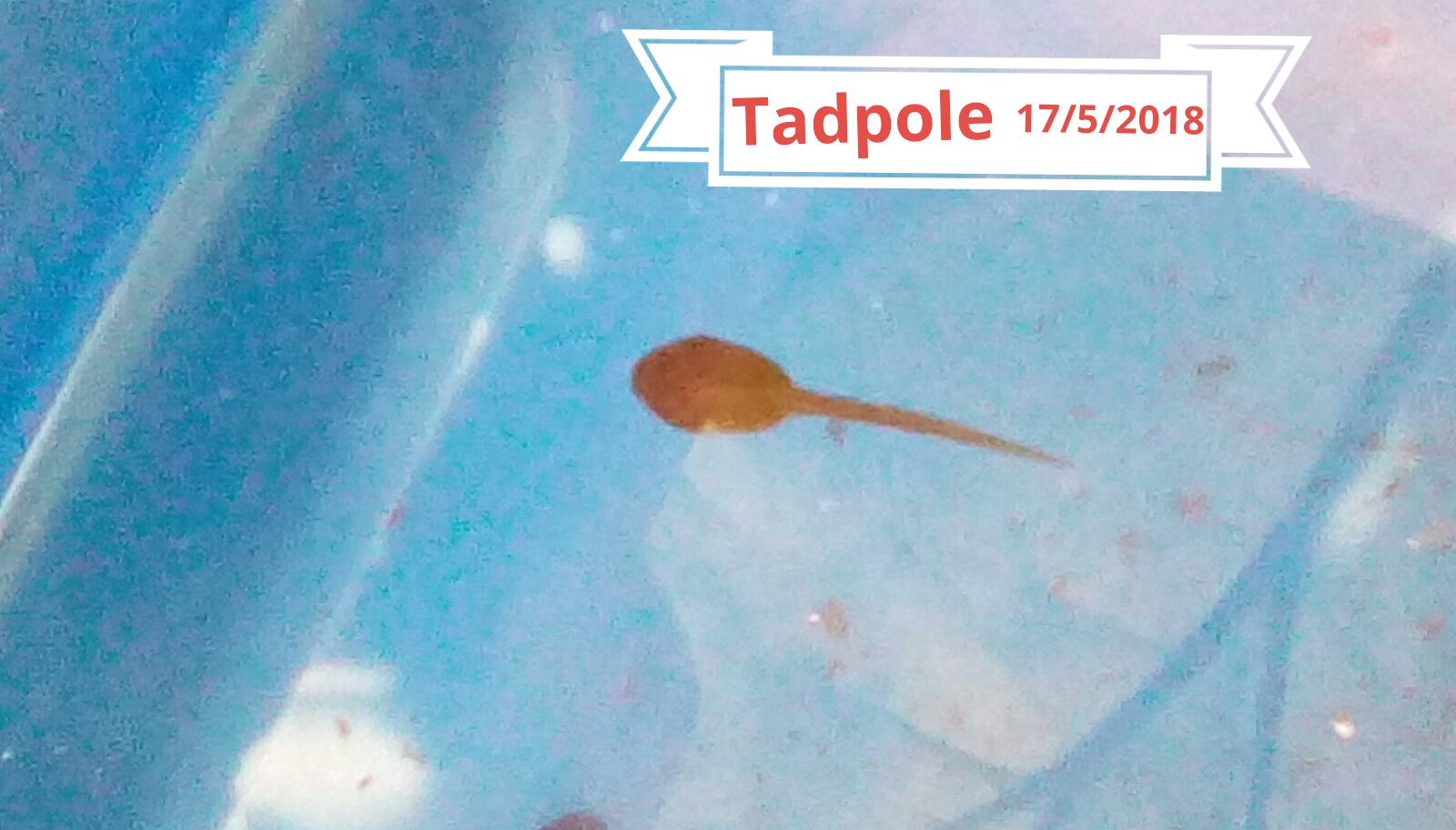
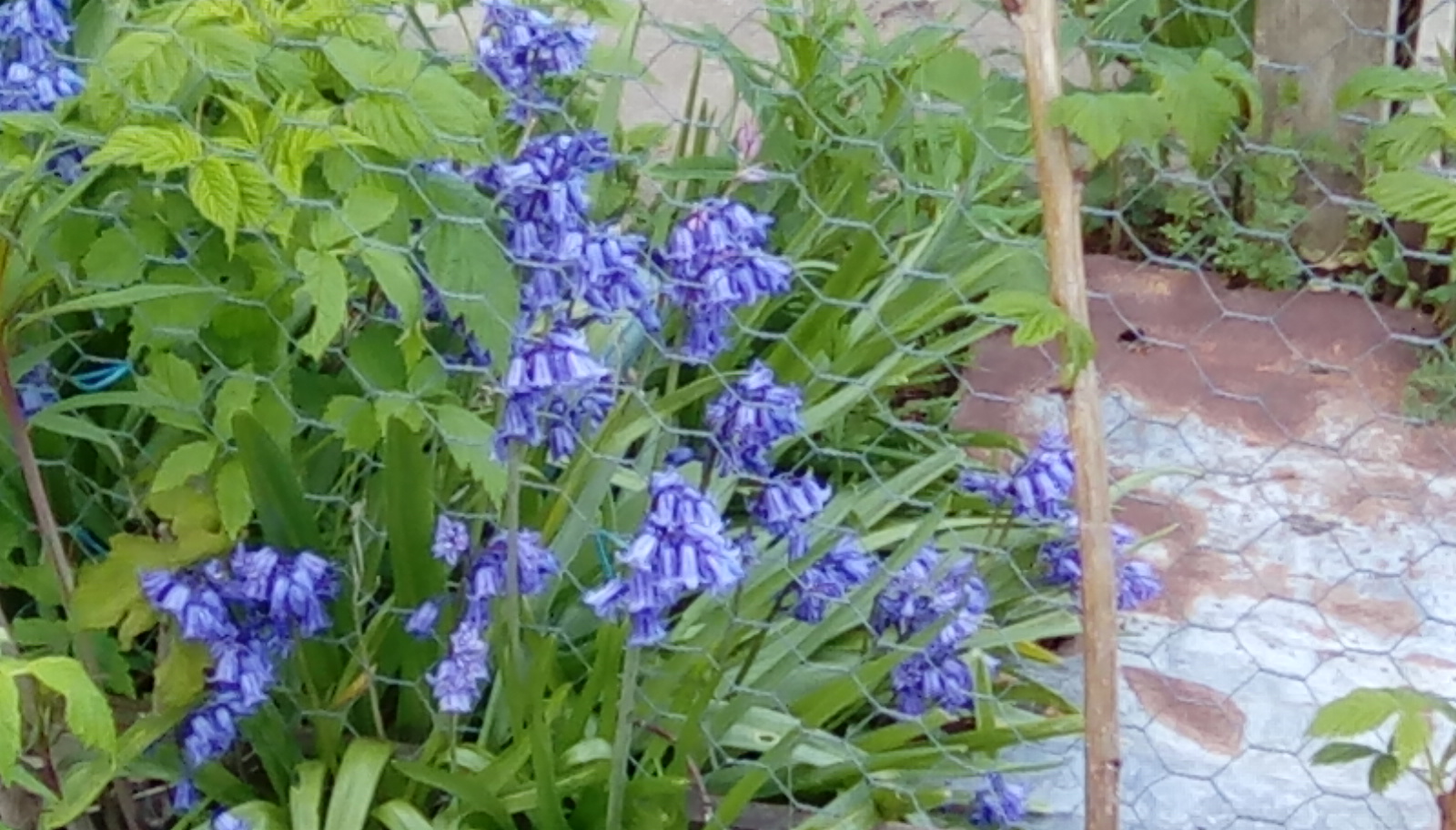
Photo Credit: Erica Berry
Erica took these pictures as part of a nature project she has been doing.
Earlier in the week, John alerted Stuart and me to a bee swarm he had seen and he managed to track and find it.
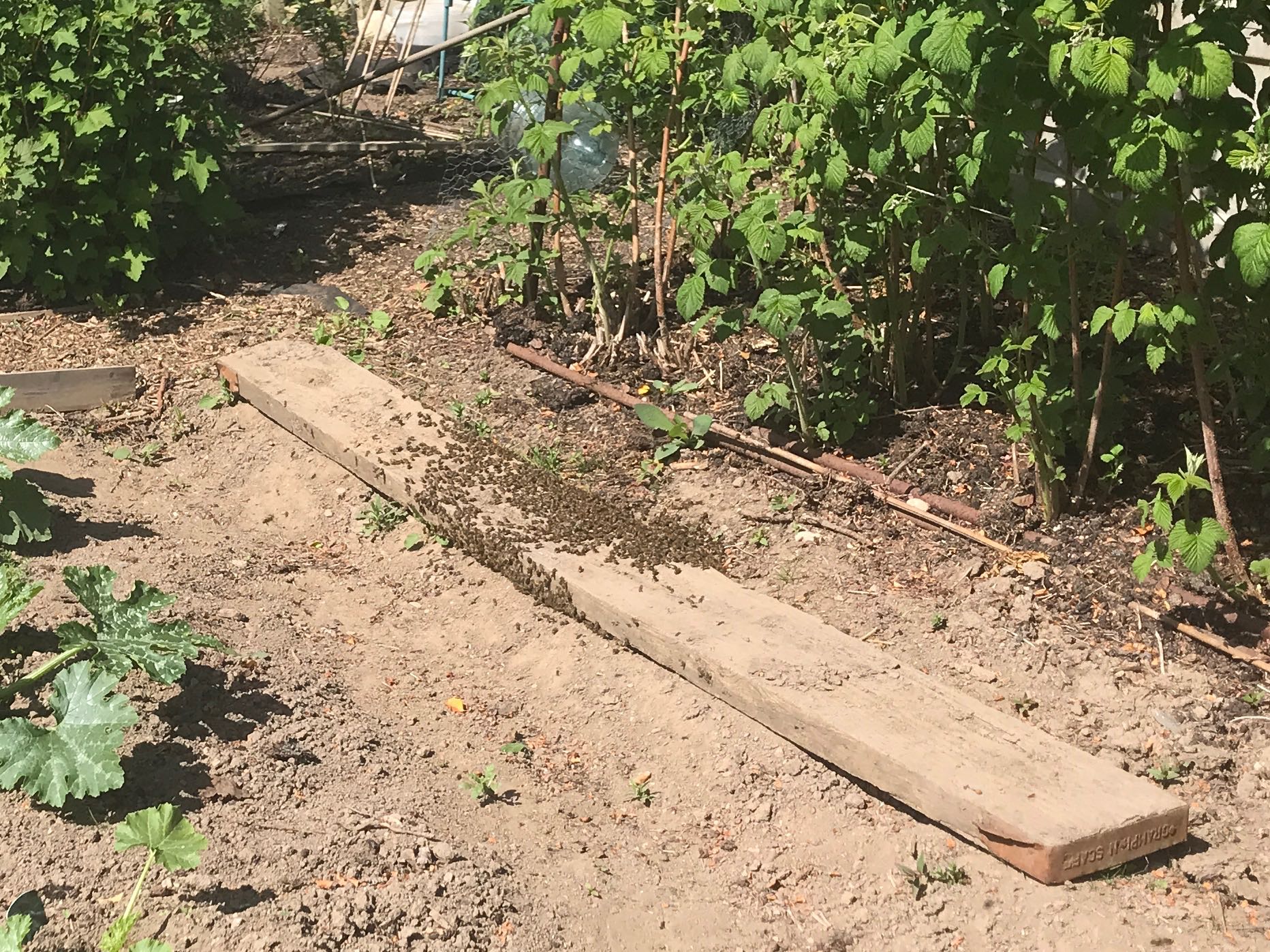
Photo Credit: Stuart Oram
John told us that such swarms of bees are natural at this time of year as a new Queen seeks to set up a new colony.
Phil spotted these caterpillars near his plot.
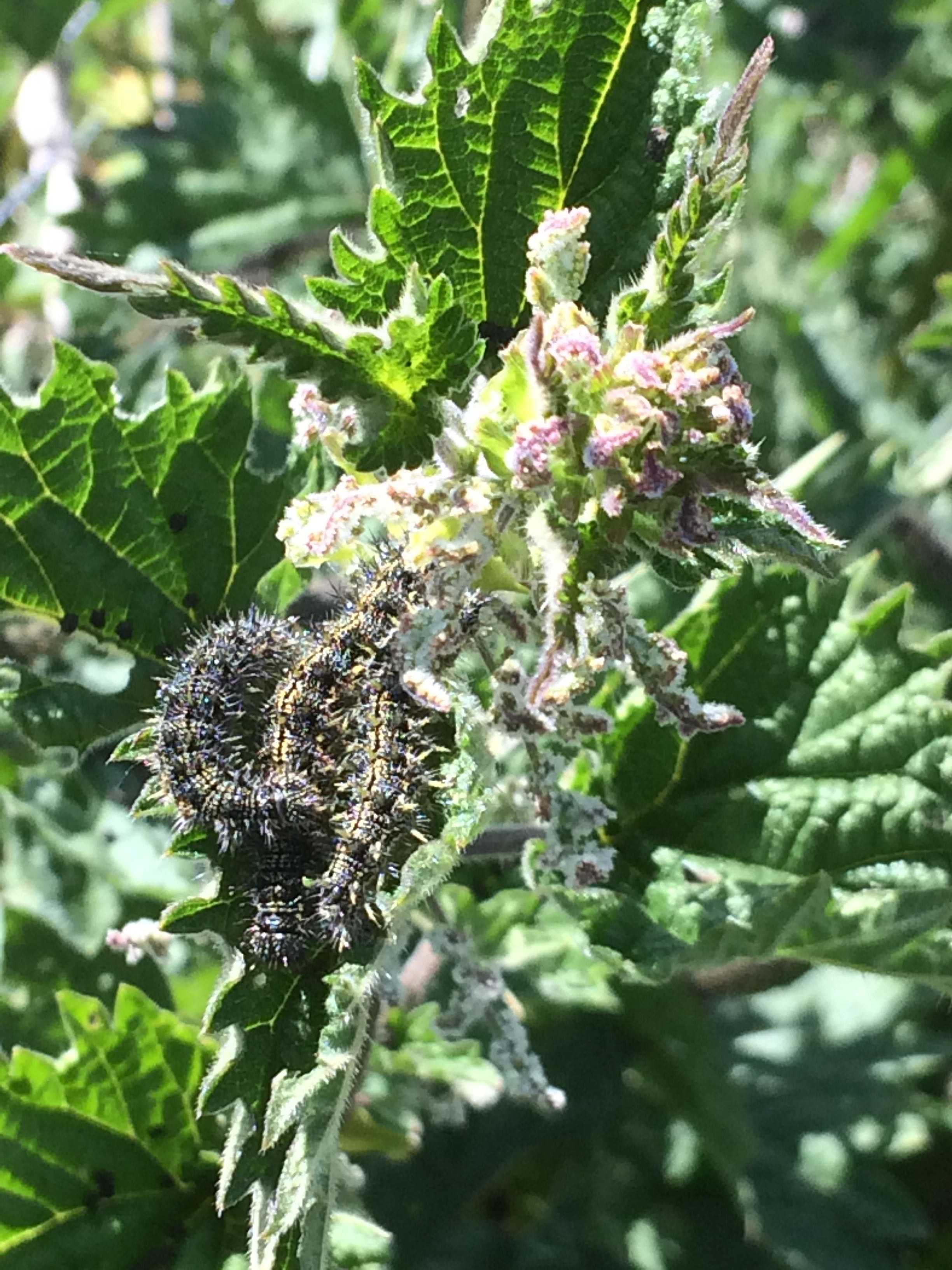
Photo Credit: Phil Wilkie
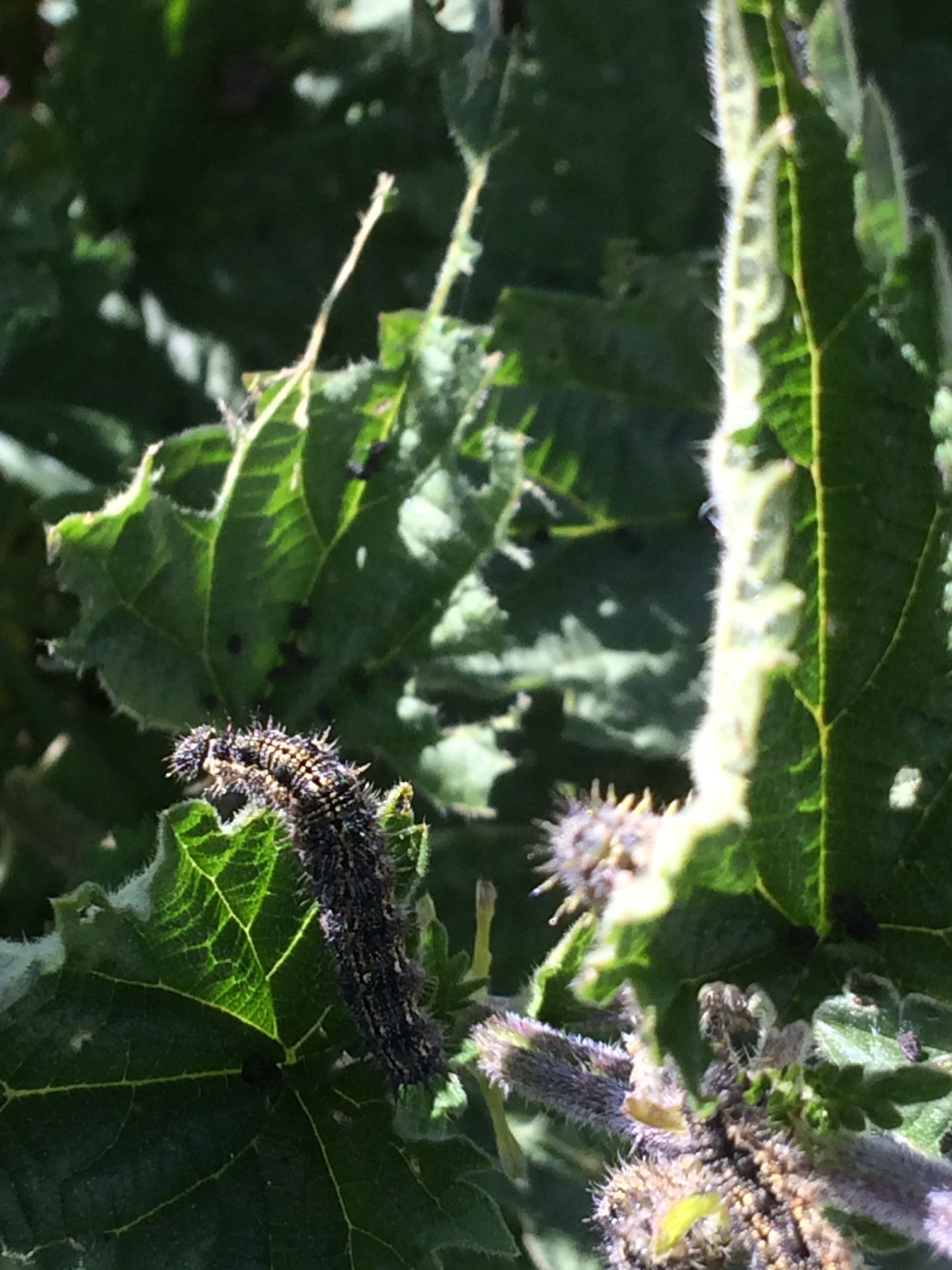
Photo Credit: Phil Wilkie
Phil reminds us that we ought not to chop down all the nettles we find on site as they are a preferred habitat for a number of species like Red Admirals. Small Tortoishells, Peacock, Comma and Painted Ladies. We plant things to feed the butterflies but often forget the food their caterpillars need.
It’s great to get these photos and stories. Please keep them coming.
Planning is underway for the Tarland Seed Swap and Potato Day for 2018.
Most of the boxes of seed envelopes have now been distributed, so please collect some and bring along your seed to the seed swap. Locations are listed on the poster but there will also be a box of seed envelopes at Cruickshank Gardens. Don’t worry if you have not managed to save seed this year, you can still take some envelopes away and try them out.
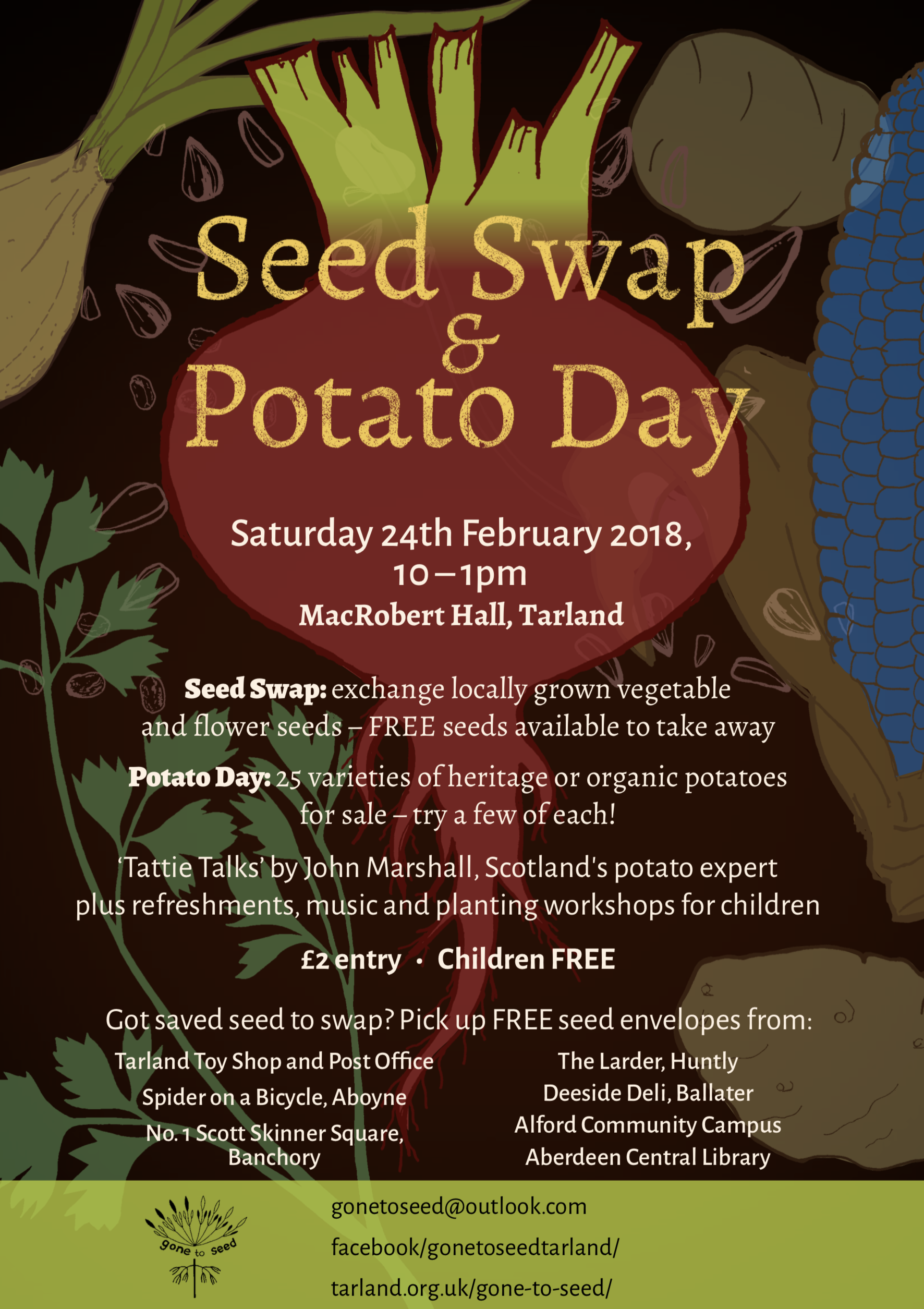
We have some old favourites plus some new exciting potatoes this year:
First Earlies:
Organic Casablanca
Organic Maris Bard
Rocket
Red Duke of York
Sharpes Express
Belle De Fonteney
Second Earlies:
Organic Charlotte
Organic Maris Peer
Organic Nicola
Shetland Black
Jazzy
Anya
Main:
Highland Burgundy Red
Organic Orla
Organic Lady Balfour
Organic Pink Gypsy
Sarpo Mira
Organic Arran Victory
Mayan Gold
Mayan Twilight
Pink Fir Apple
Violetta
Ama Rosa
Ratte
A real highlight is John Marshall, Scotland Potato expert, who will be giving an introductory talk on “The Potato Story” at 10.30 and then running a workshop on Growing Tips and Diseases, suitable for more experienced gardeners at 12.00.
We really look forward to seeing you all there.
Lizzy
Gone to Seed
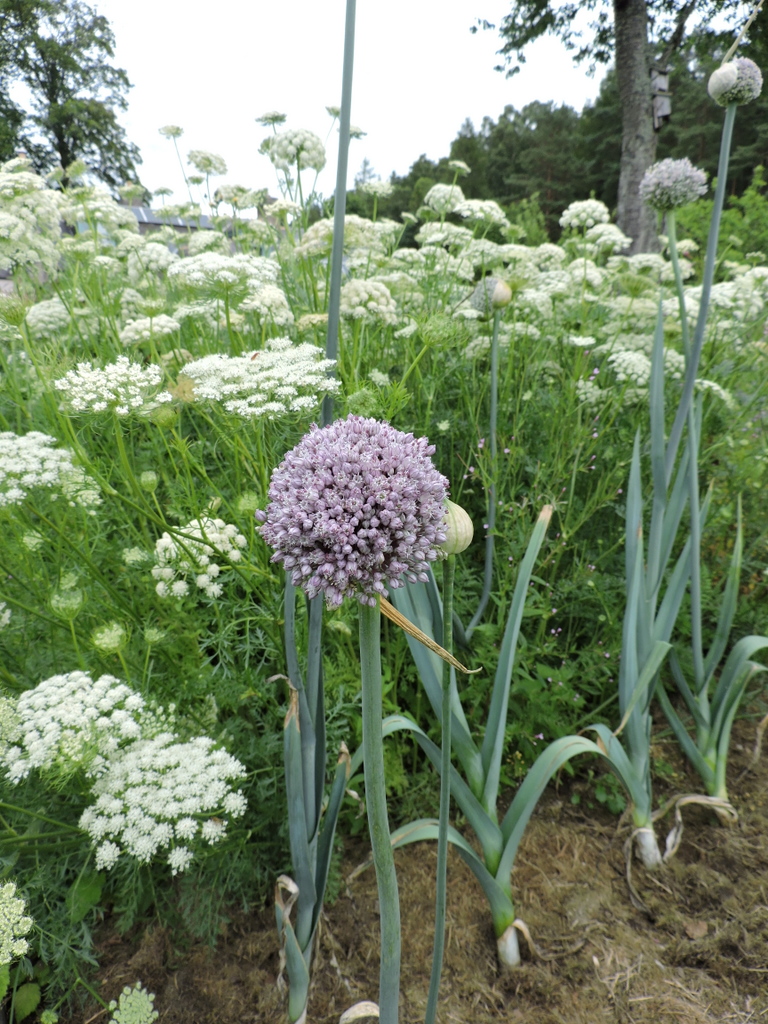
Our wild flower area has been simply stunning for weeks now.
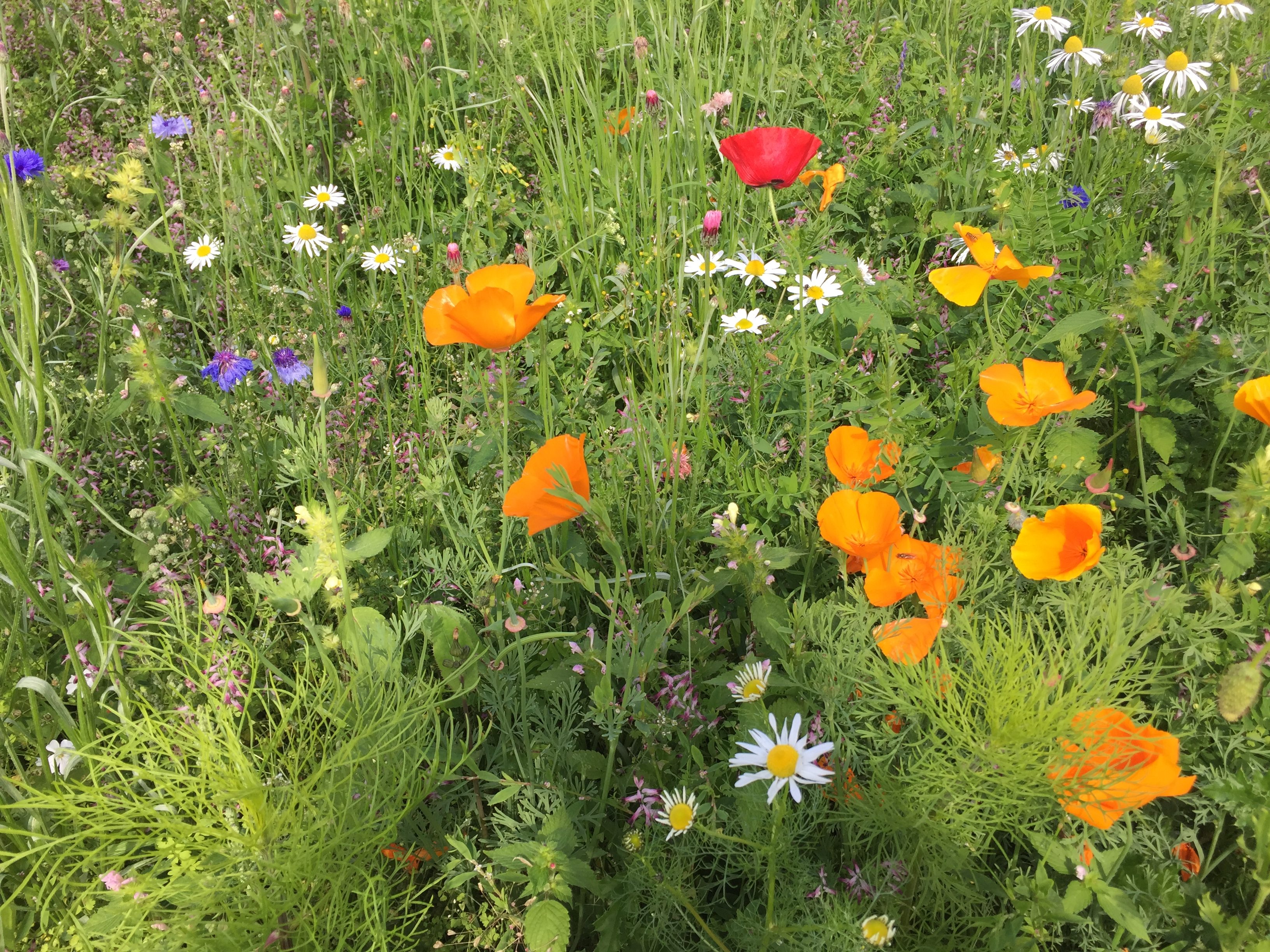
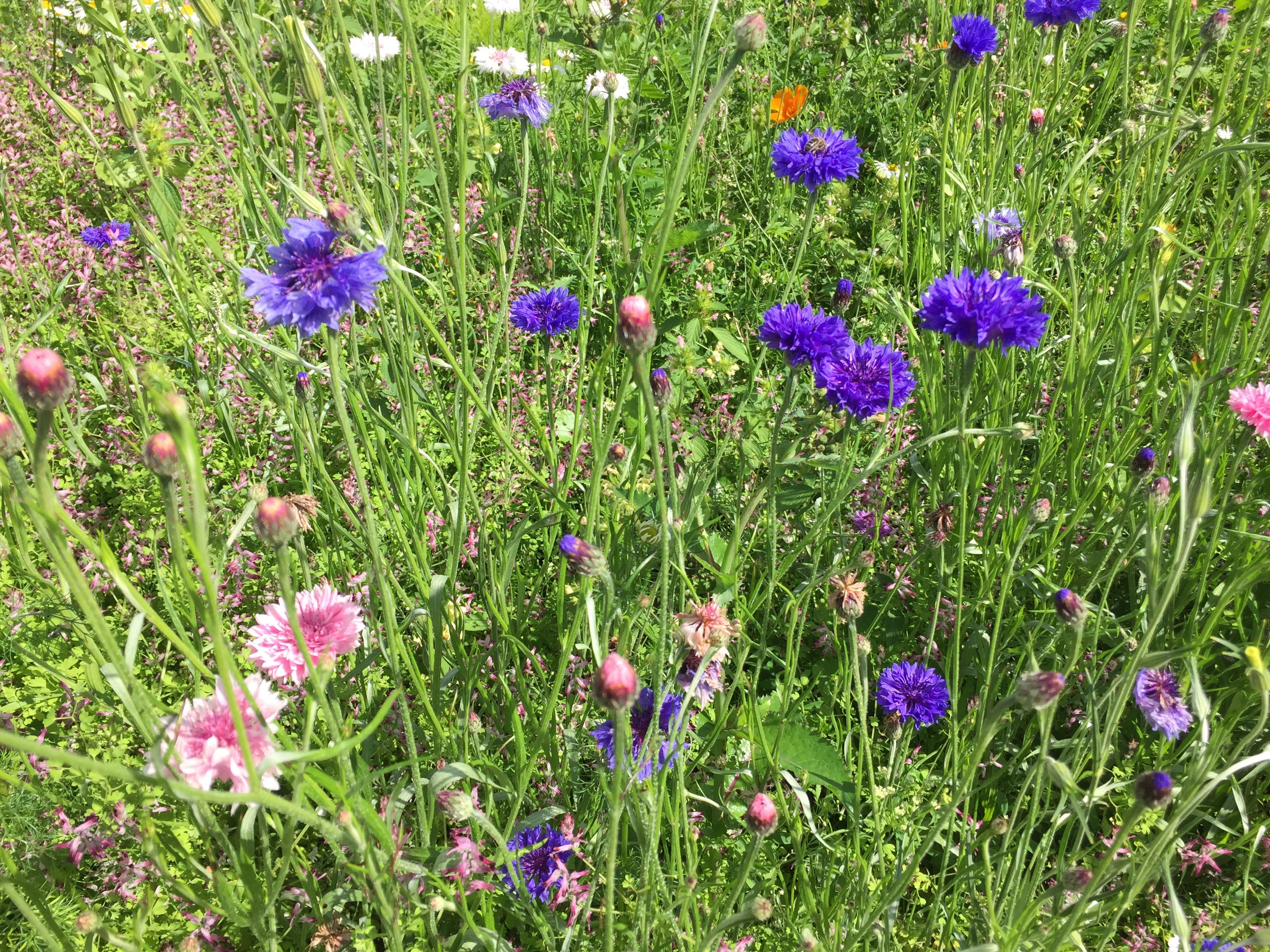
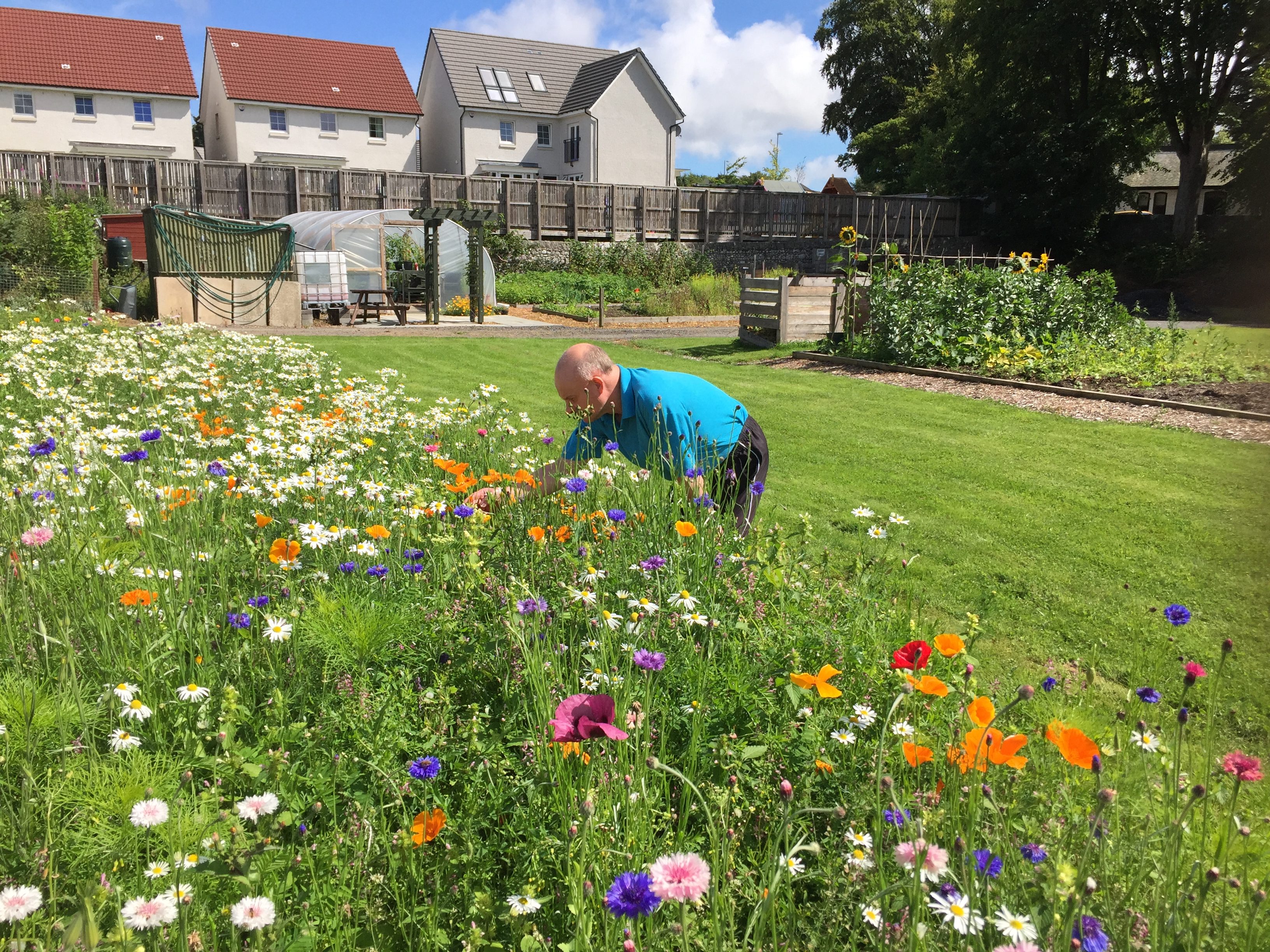
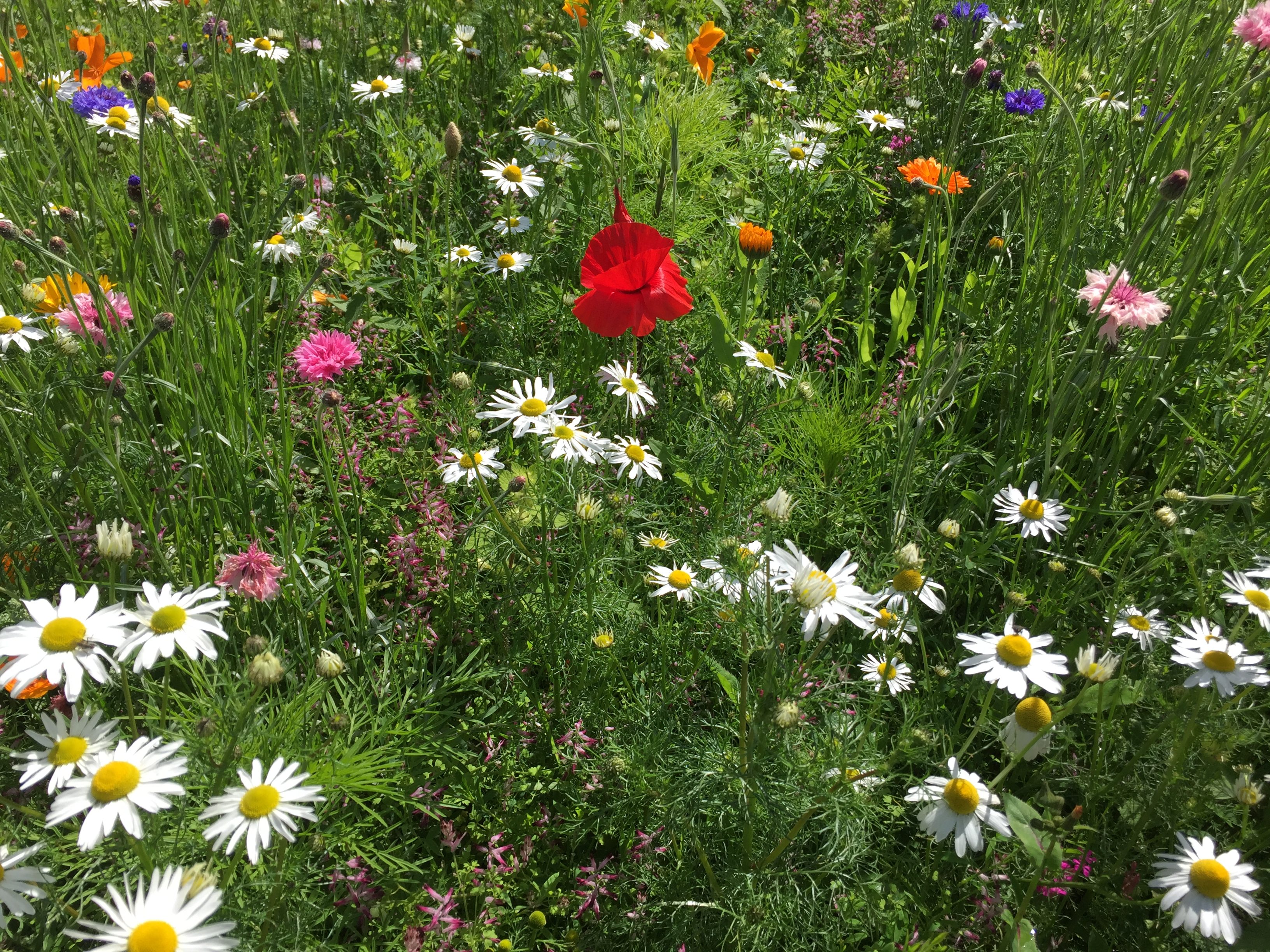
Thanks to everyone who helped with the hard work to get it re-established this year and especially Michael who kept faith with the original idea of a wild flower garden after the difficulties of our first efforts.
One of the, “It’s Your Neighbourhood” priorities this year is that we plotters do as much as we can to encourage and protect our native bees.
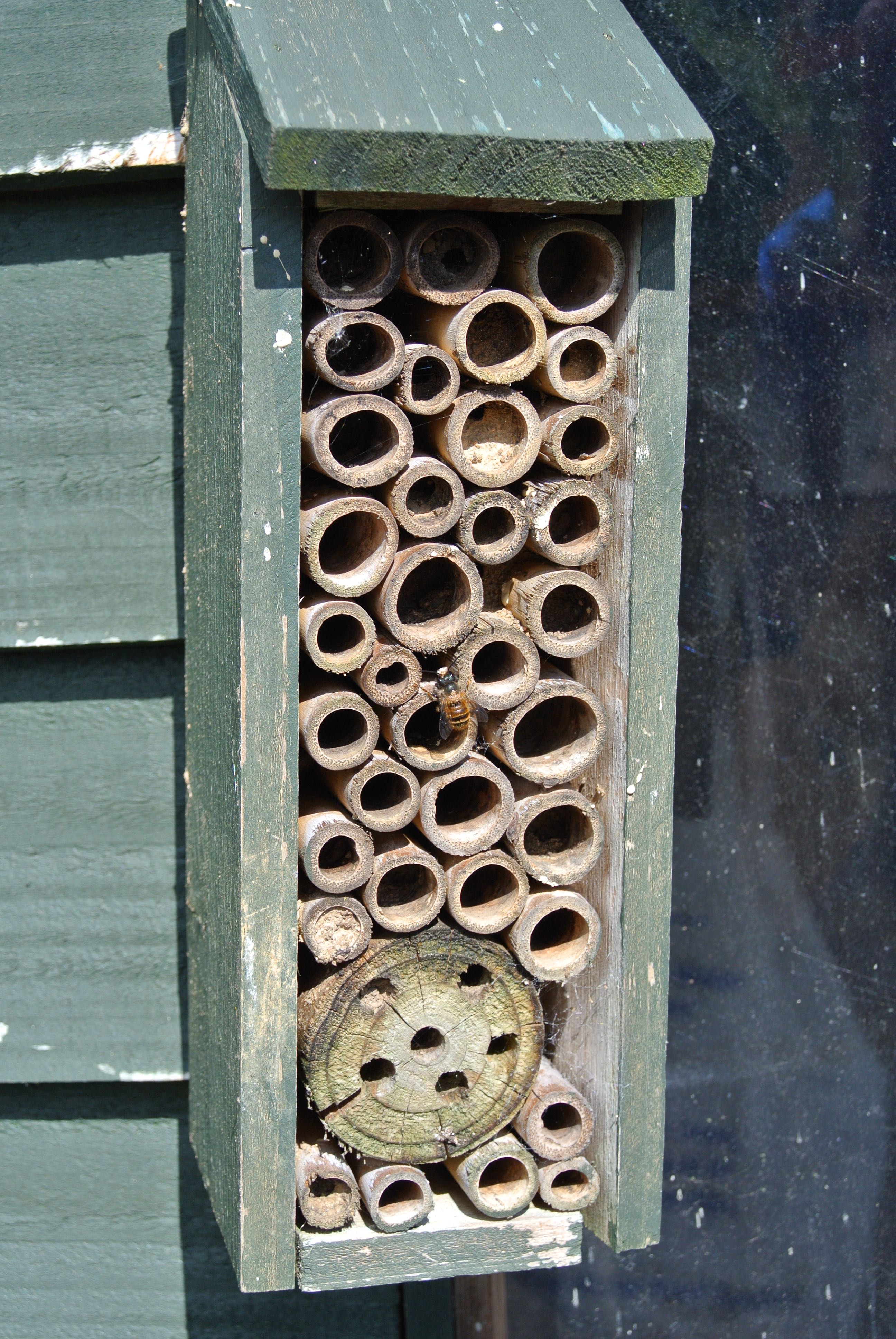
It’s common knowledge that bees have been having a tough time of late. They are vital to the success of many of our crops and it makes sense for us to give them all the help we can. The Royal Horticultural Society has a nice wee video that shows in four minutes just how easy it is to lend our bees a helping hand.
RHS suggests these simple steps to help our honey, bumble and solitary bees:
On this last point, the City Council is reviewing its ban on bee-keeping on allotment sites and a new policy may be announced soon.
So, what could GFAA do to be bee friendlier?
Powered by WordPress & Theme by Anders Norén
