The volunteer sessions of late have been very full on and busy, so it was a real treat today to have time to take a few photos during our work session.
We had time to note too, just how quickly Summer is slipping towards and into Autumn. There is still plenty of promise of cropping to come however.
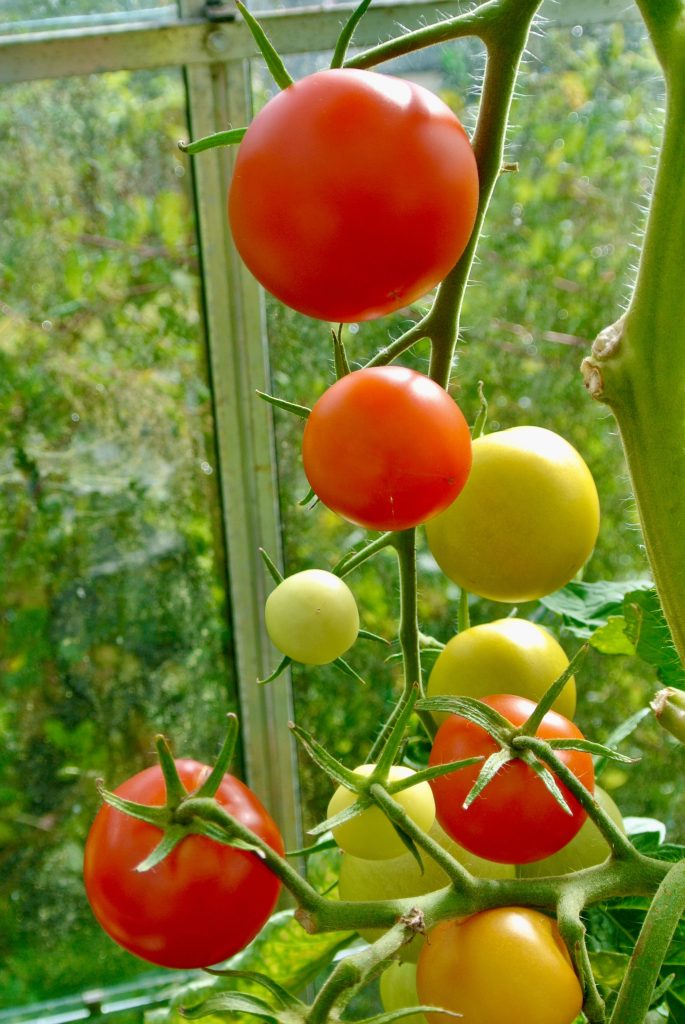
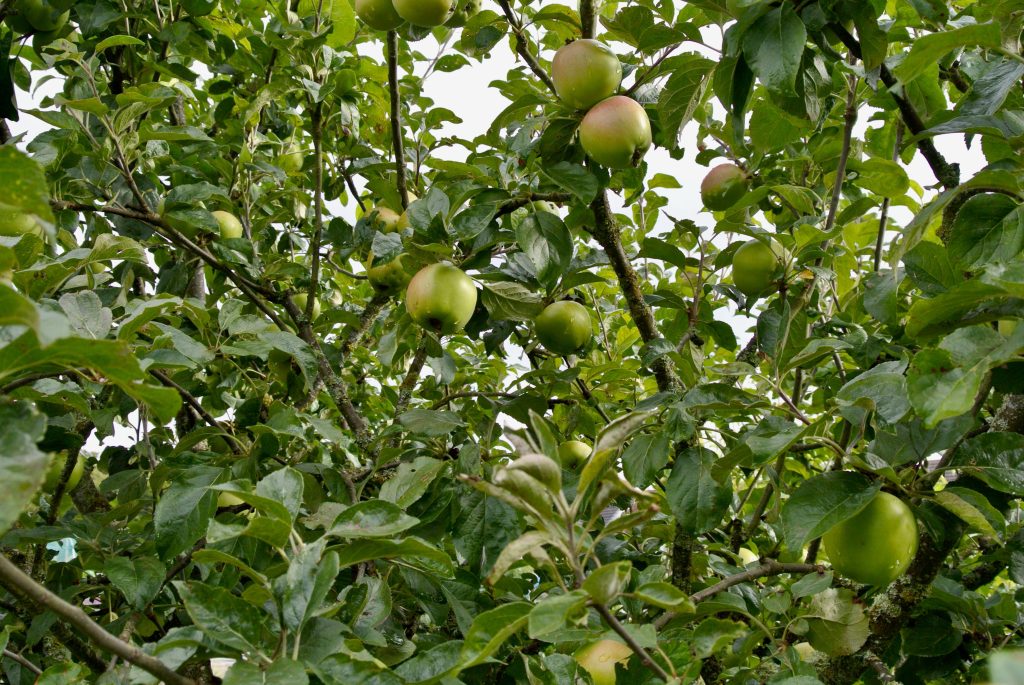
Lots of tomatoes to harvest now and into the weeks aheadThe apple crop to come looks good for this year
However, there is no doubt that the summer is slipping by us and Autumn is just around the corner.
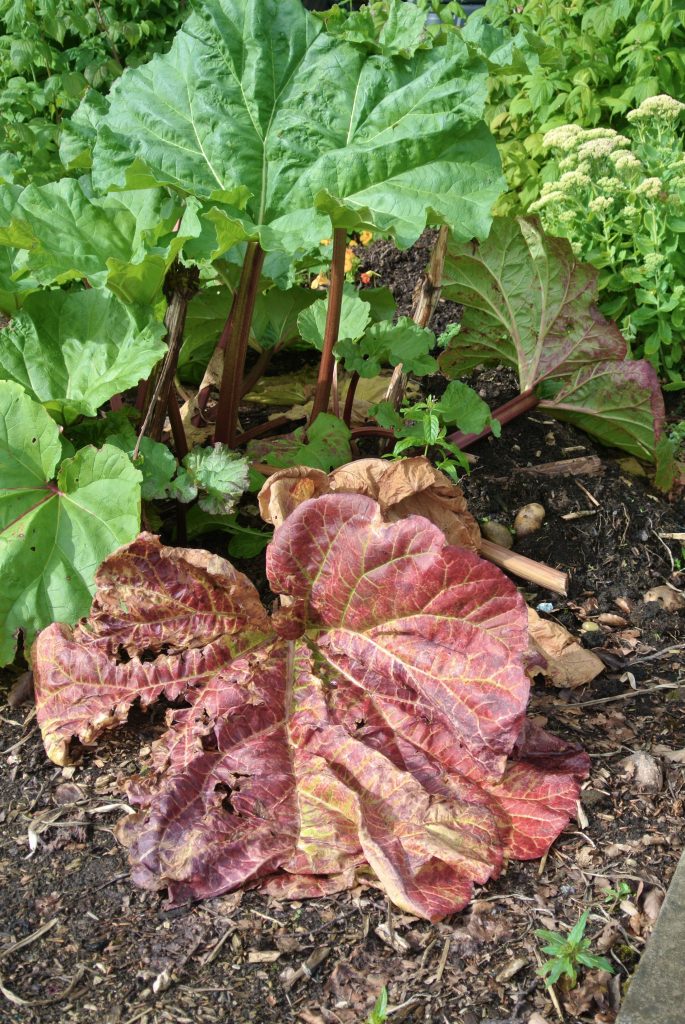
The rhubarb is flagging, but luckily Autumn’s abundance lies ahead
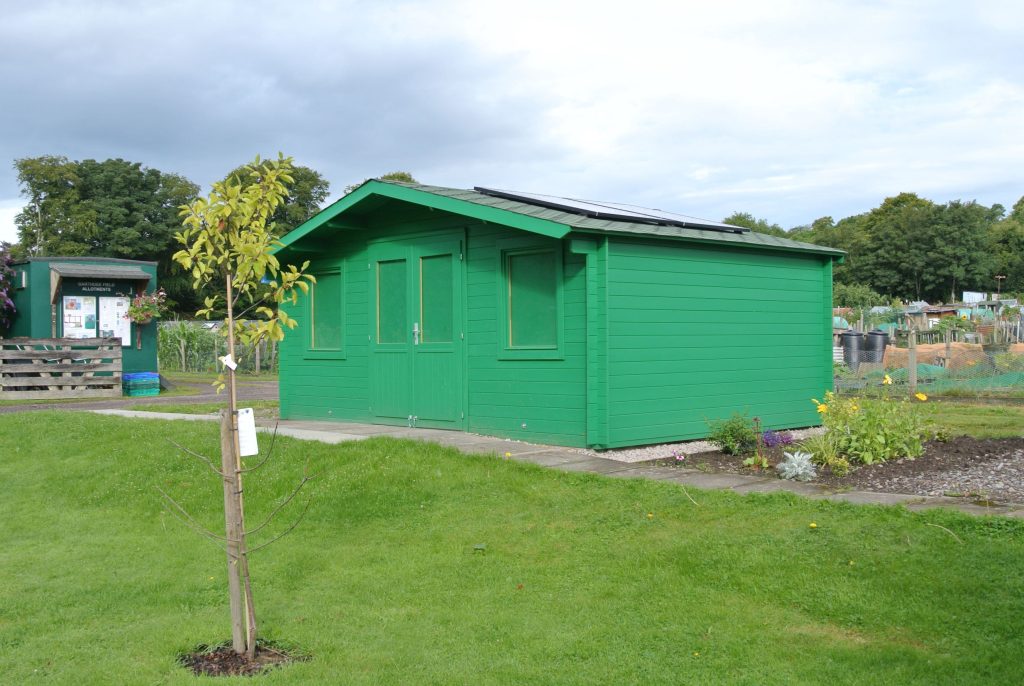
So it was good today to note good progress on the new Cabin – which looks quite the part overlooking the Community Orchard.
A Cabin for all Seasons
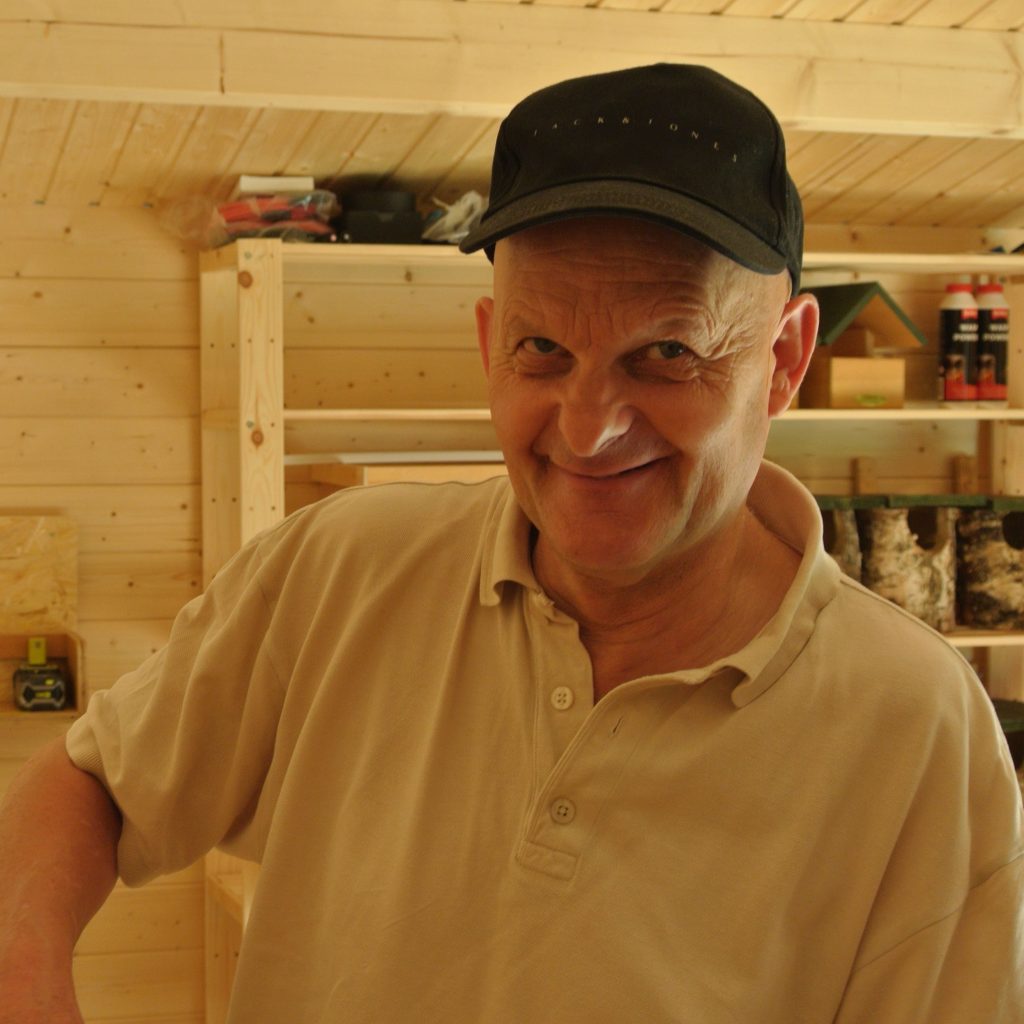
Great to0, having the help of Gordon, one of our longest-serving volunteers in getting the interior set up and ready to go.
Gordon showing off his carpentry skills
Thanks go to Gordon and Linzi, Veronica and Jordi for their help around the site today.
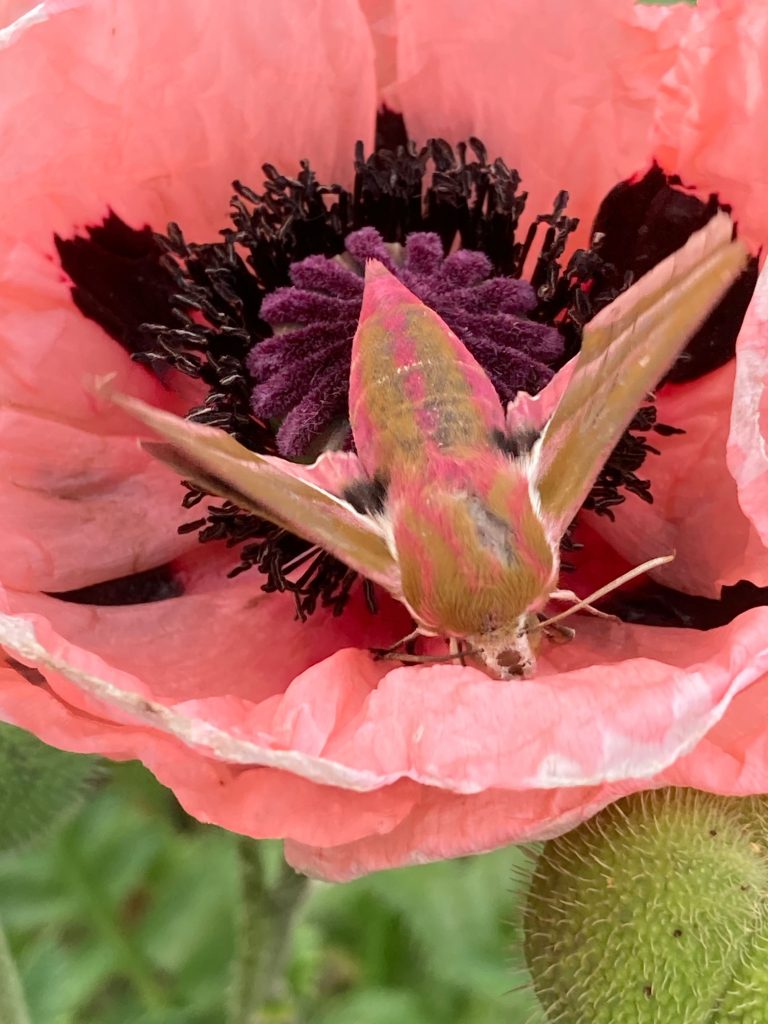
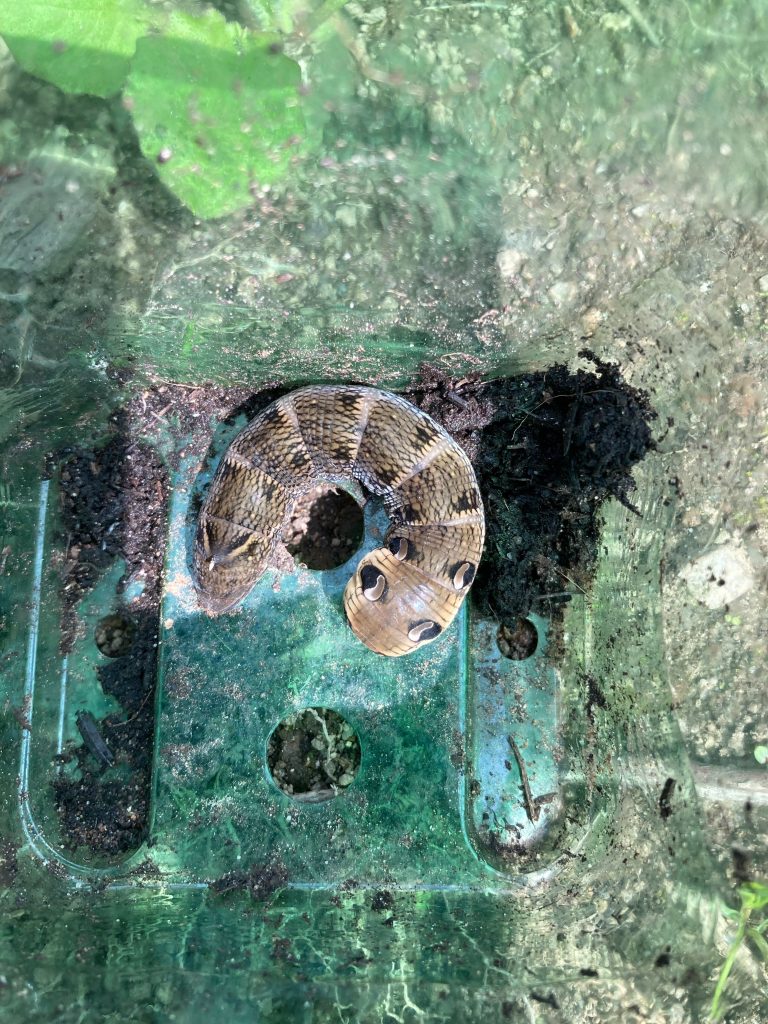
Anna (Plot 93) sent these photos of recent sightings on her plot of this Elephant Hawk Moth and caterpillar.
Photo Credit: Anna FulopPhoto Credit: Anna Fulop
I am aware of one other reported siting of an Elephant Hawk on site, but that goes back many years to 2017. I recall David (Plot 53) was the lucky host that time. (See the related post below.) If any plotter can provide info of other examples we’d love to hear from you.
It’s pleasing to think our efforts to green the site may be providing more habitats for unusual wildlife like the Elephant Hawk Moth.
Here’s what Chat GPT had to say about habitats attractive to them.
A Beginner’s Guide to the Lifecycle of the Elephant Hawk Moth and Its Preferred Habitat
The Elephant Hawk Moth (Deilephila elpenor) is a fascinating and visually striking insect found in various regions across Europe and parts of Asia. Its distinctive appearance, including its large size and vibrant colors, makes it a popular subject for nature enthusiasts and amateur entomologists. In this beginner’s guide, we will explore the lifecycle of the Elephant Hawk Moth and its preferred habitat.
1. Eggs:
The lifecycle of the Elephant Hawk Moth begins with the female laying her small, spherical eggs on the leaves of its host plants. These plants typically include willowherbs (Epilobium species) and bedstraws (Galium species). The eggs are pale green in color and are usually laid in clusters to increase the chances of survival.
2. Larvae (Caterpillars):
After about a week, the eggs hatch, giving rise to the larvae or caterpillar stage of the Elephant Hawk Moth’s lifecycle. The caterpillar is striking in appearance, sporting bright colors like lime green and having eye-catching eye-like markings on its head. It has a horn-like structure on its rear, which lends it the name “hornworm.”
3. Feeding and Growth:
The caterpillars are voracious eaters and immediately begin to feed on the leaves of their host plants. They undergo several stages of molting as they grow in size, shedding their old skin to accommodate their increasing body mass. The caterpillar stage lasts for about 4-5 weeks, during which they can grow up to 8-9 centimeters in length.
4. Pupation:
As the caterpillar reaches its full size, it undergoes pupation, which is the transformation into a pupa or chrysalis. The pupa is usually formed in a protected location away from direct predators and environmental hazards. The Elephant Hawk Moth pupa is reddish-brown and has a smooth texture, blending well with its surroundings.
5. Metamorphosis:
Inside the pupa, a miraculous transformation takes place. The caterpillar’s body undergoes significant changes, breaking down its tissues and reassembling them into the adult moth’s structures. This metamorphosis process generally lasts for about 2-3 weeks.
6. Adult Moth:
Finally, the adult Elephant Hawk Moth emerges from the pupa. At this stage, it becomes active at dusk and during the night, while resting during the day. The Elephant Hawk Moth is a large and impressive moth with a wingspan of about 5-7 centimeters. Its wings are predominantly pink or olive-green, providing excellent camouflage when resting on tree trunks or leaves.
Preferred Habitat:
The Elephant Hawk Moth can be found in a variety of habitats, but it tends to favor areas with plenty of nectar-rich flowers for adult feeding and suitable host plants for caterpillar development. Woodlands, hedgerows, gardens, and meadows are common places to encounter this magnificent moth.
1. Nectar Sources:
Adult Elephant Hawk Moths primarily feed on nectar from a range of flowers, including honeysuckle (Lonicera species), petunias (Petunia species), and jasmine (Jasminum species). Having a variety of these nectar-rich plants in the habitat will attract these moths.
2. Host Plants:
To encourage the presence of Elephant Hawk Moths, it’s crucial to provide suitable host plants for the caterpillars. As mentioned earlier, willowherbs (Epilobium species) and bedstraws (Galium species) are the preferred host plants. Allowing these plants to grow naturally in your garden or maintaining them in the wilder areas nearby can support the moth’s lifecycle.
3. Shelter and Water:
Creating a diverse habitat with vegetation of varying heights and densities will offer shelter to both caterpillars and adult moths. Additionally, a nearby water source like a pond or birdbath will provide the much-needed hydration for these creatures.
By understanding the lifecycle of the Elephant Hawk Moth and its preferred habitat, you can take simple steps to attract and support these beautiful insects in your environment. Whether you’re a nature enthusiast, gardener, or just curious about the natural world, observing these moths in their lifecycle can be a rewarding and educational experience.
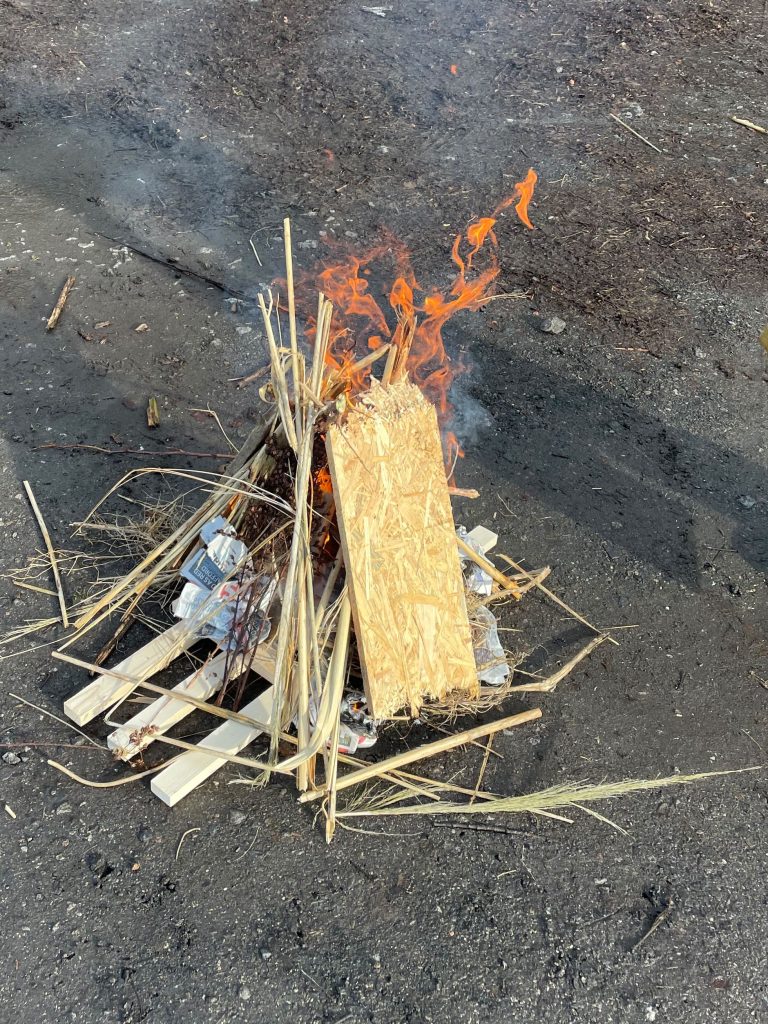
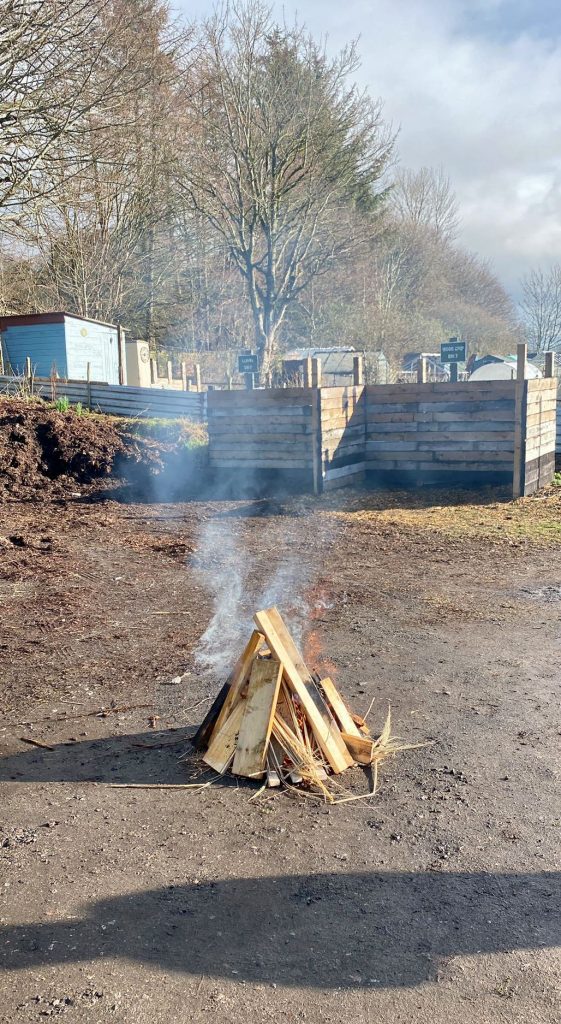
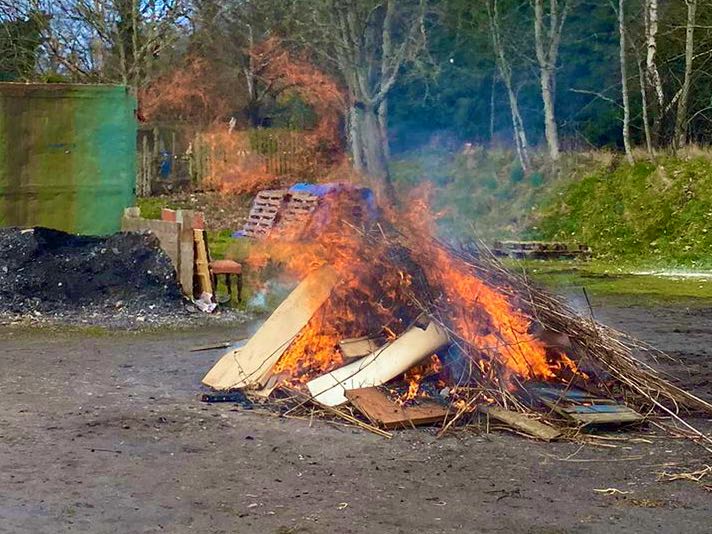
Thanks to everyone, plotters, volunteers, friends, nursery staff and kids and ACC staff who managed along to help and encourage and so contributed to a very safe and successful bonfire day.
Small BeginningsWill it Catch?Looking Good!A Roaring Success
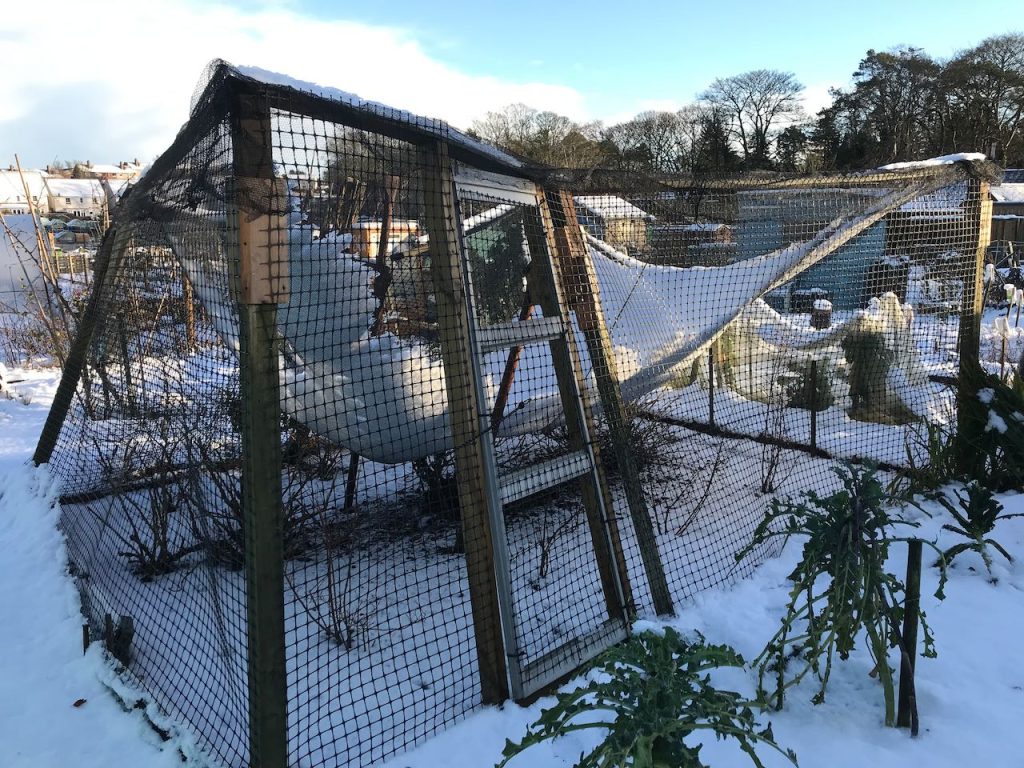
If you have visited your allotment recently you may have been greeted by scenes like this –
All very depressing
A wee warning, if needed, that nets need to be removed from fruit cages and other vulnerable structures before winter comes, or else snow cleared from them before it turns to ice.
But this too will pass and here is a wee reminder of just how wonderful Garthdee Field looks at its best. The video was shot in mid July – as I recall. Best viewed in full screen mode.
Thanks go to Alison (Plot 80) for arranging for this aerial video to be made and to her friend, Alan Rae who programmed and flew the drone.
Phil (Plot 57) attended an It’s Your Neighbourhood Celebration hosted by Aberdeen City Council this week and was presented with our top ranking, “Outstanding with Distinction” Award Certificate for our 2022 entry.
It was smashing to see us maintain our ranking for another year and thanks go to all of the plotters, volunteers and friends of Garthdee Field Allotments whose efforts around the site and on plots made it possible.
Our community projects are always recognised as our strength on these occasions and we very much hope our Fresh Food for Frugal Families project will win funding in the current Scottish Government’s Just Transition Scheme. If you haven’t voted for us here’s the link and remember, everyone in the household can vote! Voting closes tomorrow at noon – so please vote now!
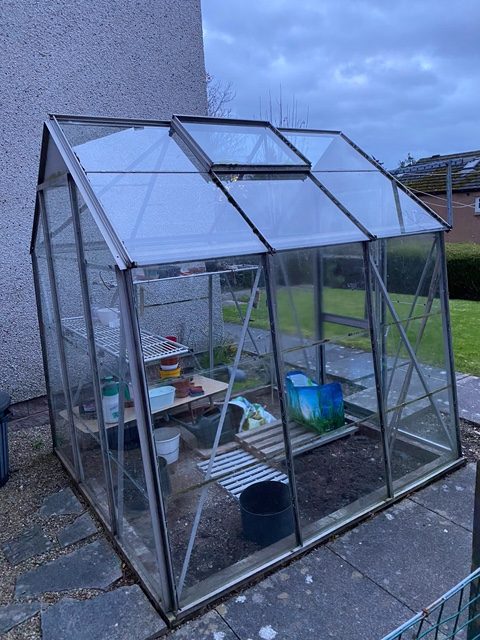
GFAA has been donated this smart and tidy six by six foot greenhouse. The greenhouse is complete with all its glass, but will need to be secured to a suitable base.
Plotters are invited to email expressions of interest to gfaawebhelper@gmail.com by 5.00pm on Friday December 9th 2022. In the event of more than one plotter being interested a winning name will be drawn from a hat.
A donation to GFAA funds from the winning plotter will be much appreciated.
Our volunteer squad may be able to help with installation if required, but the plotter will need to supply any materials needed for the base.