Garthdee Allotments

Grow Greener with Garthdee Field Allotments Association

Himalayan Balsam (again)

Pat at the council has been in touch with this bad news.

Dear Allotment Tenant

I am sorry to inform you that Himalayan Balsam seed may be present in the compost delivered to the allotment sites listed below.

A number of allotment tenants have advised us that they have identified seedlings growing on the compost as being Himalayan Balsam.

The compost has now been removed from all the allotment sites except King Street where the compost is being managed on site.
(For King Street Allotment tenants please do not use this compost until advised it is Himalayan Balsam free which will be when there is no new growth of annual seedlings.)

Slopefield
Greyhope Road
Holburn Street
Garthdee Field
Cults
Bankhead
King Street
Sclattie Quarry
Gray Street

If you have used any of this compost or are an allotment tenant on one of the above sites, please be vigilant as Himalayan Balsam spreads very easily and is an non-native invasive weed.
Unfortunately, this plant is spreading everywhere especially along our river banks. You may have seen Himalayan Balsam when walking along the banks of the River Dee or the River Don. It flowers predominantly in July and August and is particularly prevalent either side of the Brig o Dee, the Persley Bridge , the Diamond Bridge, along Seaton Park and at Donmouth.

Himalayan Balsam is an annual plant and produces colourful flowers. After flowering it produces seeds for the following year and when touched the seed pod bursts and sends the seeds flying in all directions.

It is important that this plant is controlled and not allowed to produce seeds that will be next year’s plant. Perhaps the best control is to pull the plant out of the ground before the flowers are fully out and left to dry, wither and die as per the average weed. It can be hoed out or cut down too. Control requires to be carried out before the flowers are fully out which is usually just before August. The plant will be recognisable to most during June and July.
If pulled out before the flowering stage which is before the seeds are produced it can be composted. If you are unsure of the stage it would be best not to compost and just leave the pulled plants to dry and wither.

Please find attached an information sheet on Himalayan Balsam.

Further information and advice is available online using the links below or searching “Himalayan Balsam”

https://www.rhs.org.uk/advice/profile?pid=480

https://www.plantlife.org.uk/uk/discover-wild-plants-nature/plant-fungi-species/himalayan-balsam

Kind regards

Pat
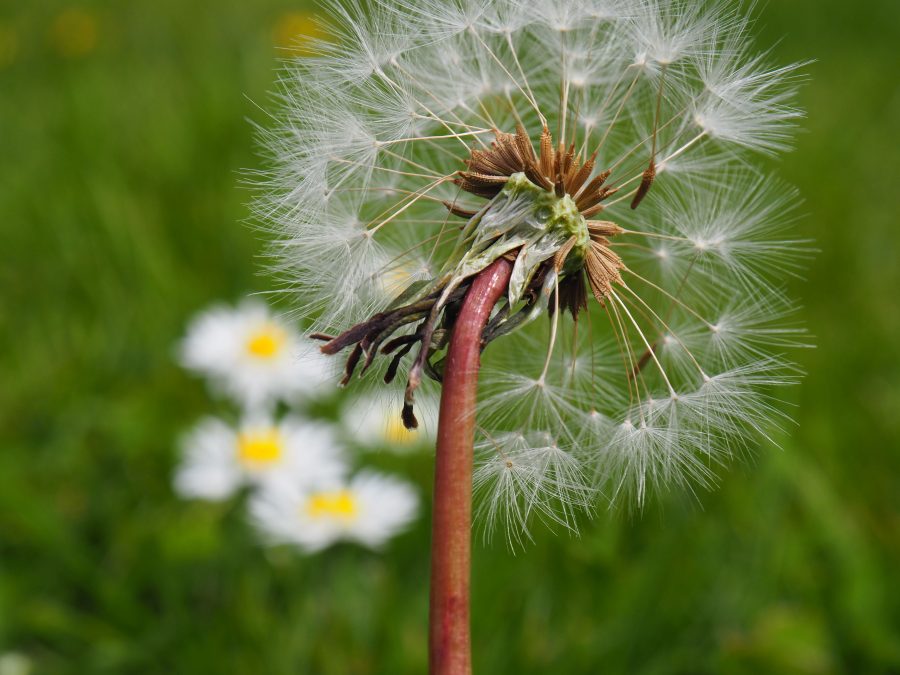
Dandelions, bonnie, but …

Dandelion, sporting a COVID-19 head of hair.

Pretty and invasive I guess we could agree. Of course the bees love them, they are native, but perhaps we can have too many of them? What do you think?

Experts at work

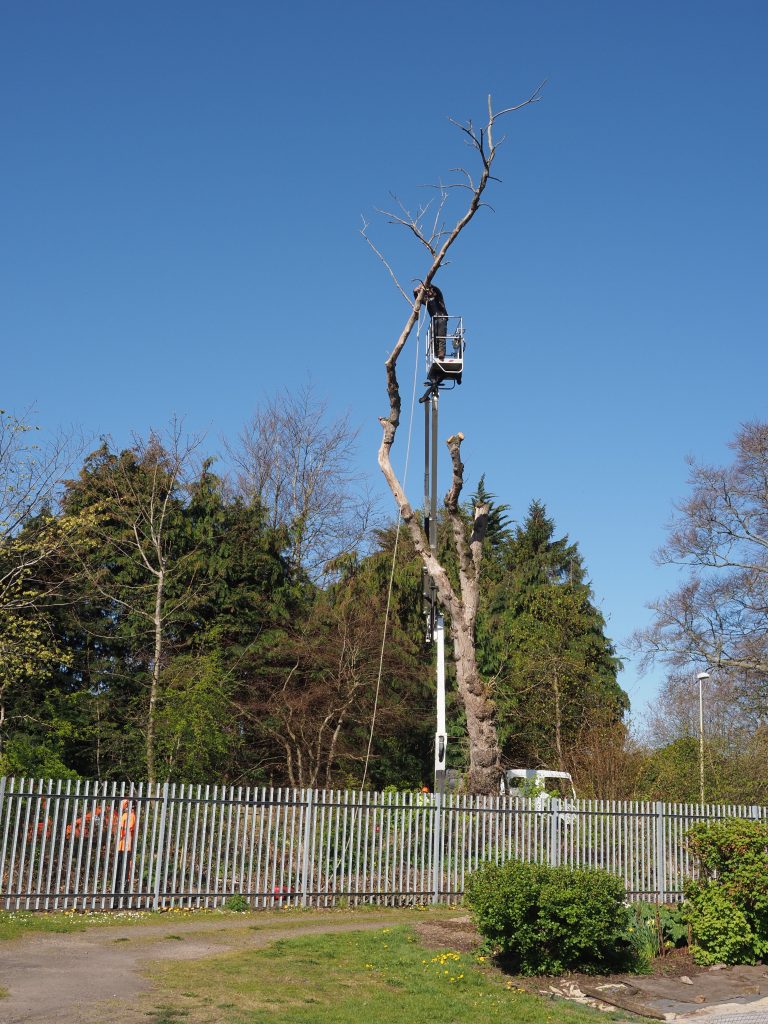
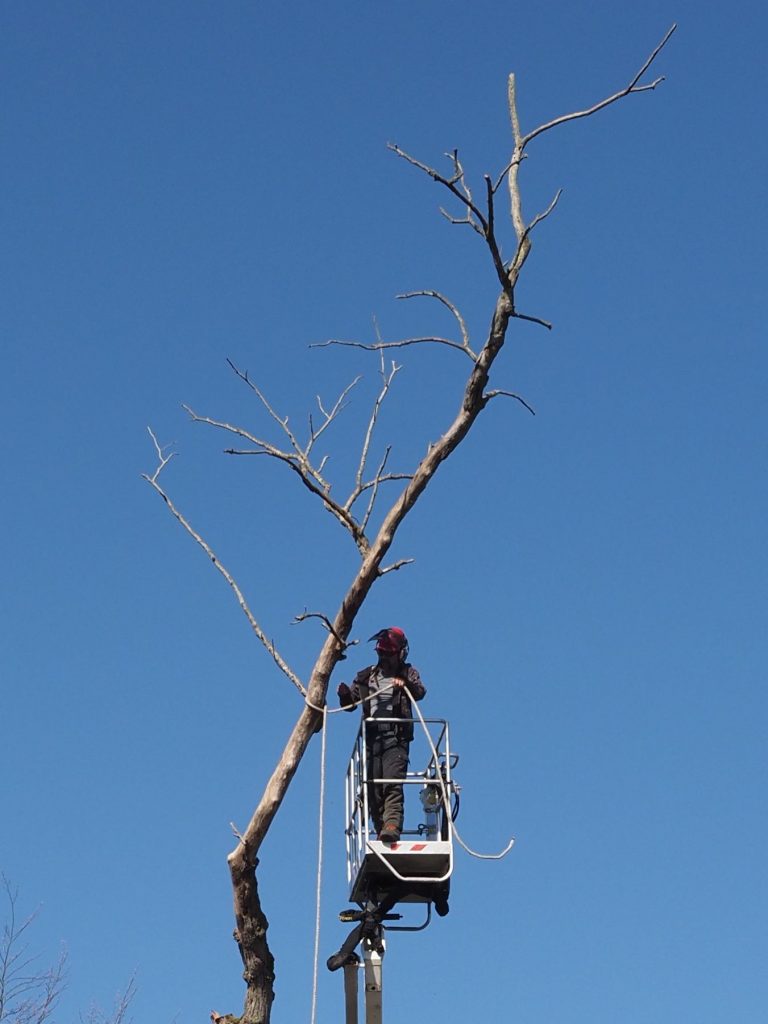
It is always a pleasure watching experts at work. They have all the right kit and every action is carefully planned and of course risk assessed. That is so important, especially when working at heights.

Safety first

So quite a crowd gathered to watch the Council Team fell the dead tree at the South-West corner of our site. With such experts at work we knew we were in safe hands

No granny knots here

Or well, maybe not quite!

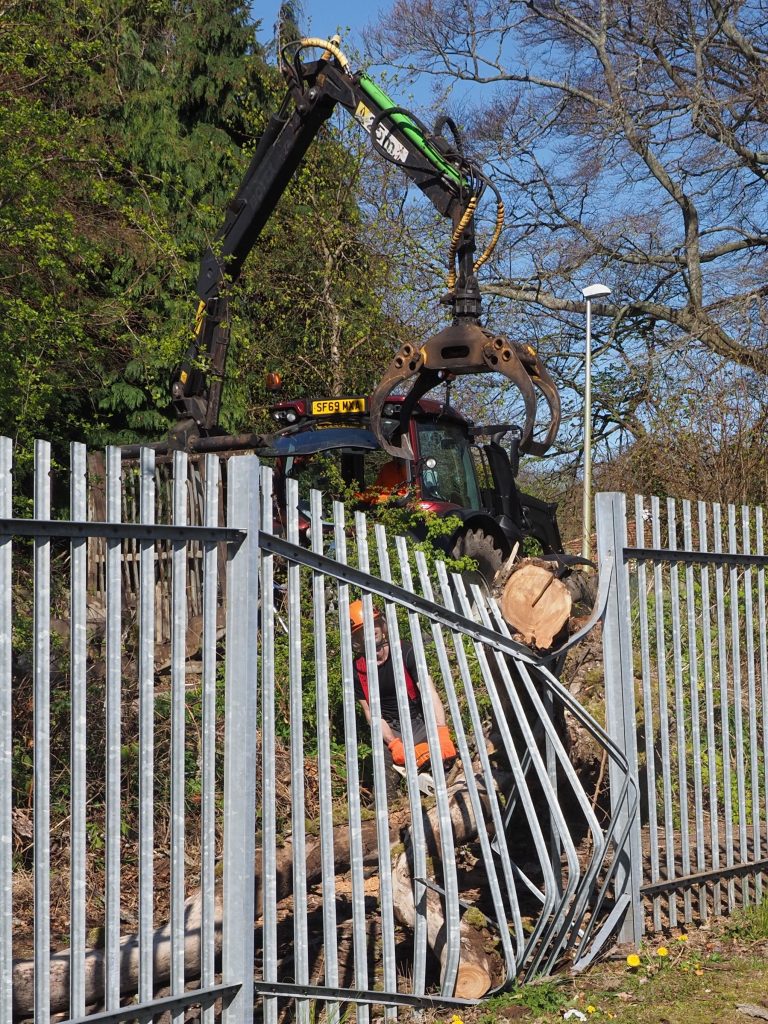
Oops!

But let’s look on the bright side. Perhaps they frightened off the deer!

Jack Frost

We are enjoying some great weather these days, but with so many plants so far advanced this season, these late frosts we are having can catch us out.

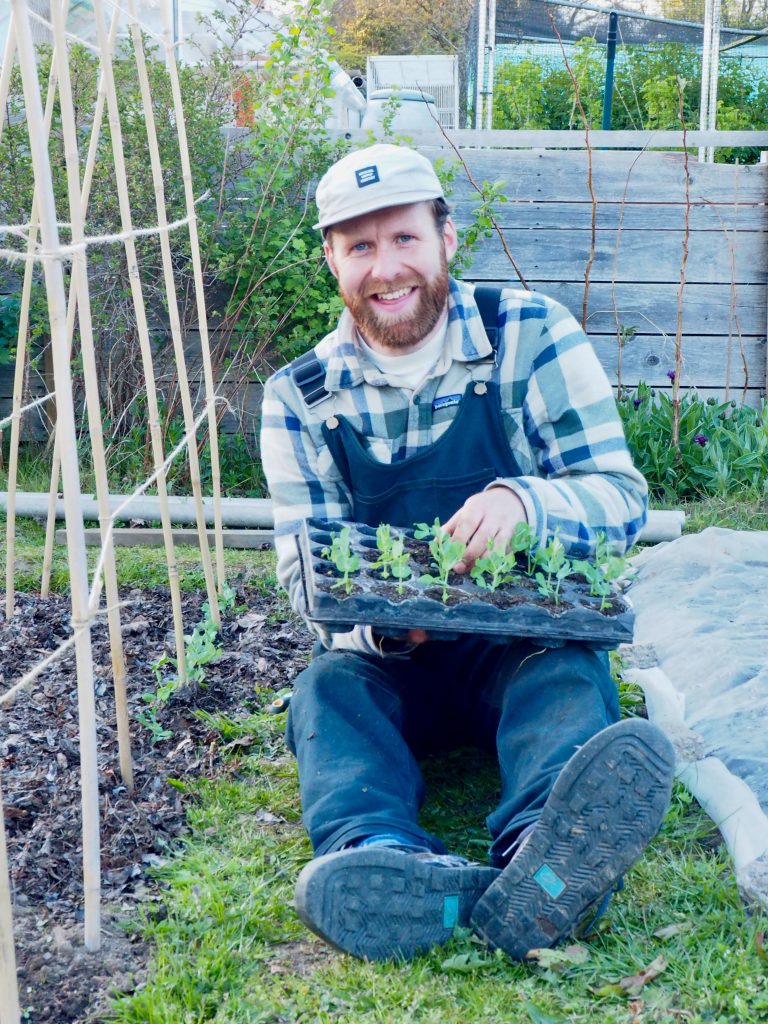
We have had to pop down a couple of nights to hap up tatties and fleece up the tomatoes. Luckily, the evening visits provided a couple of good photo opps.

Callum, working Carrie’s Plot while she is unavailable.
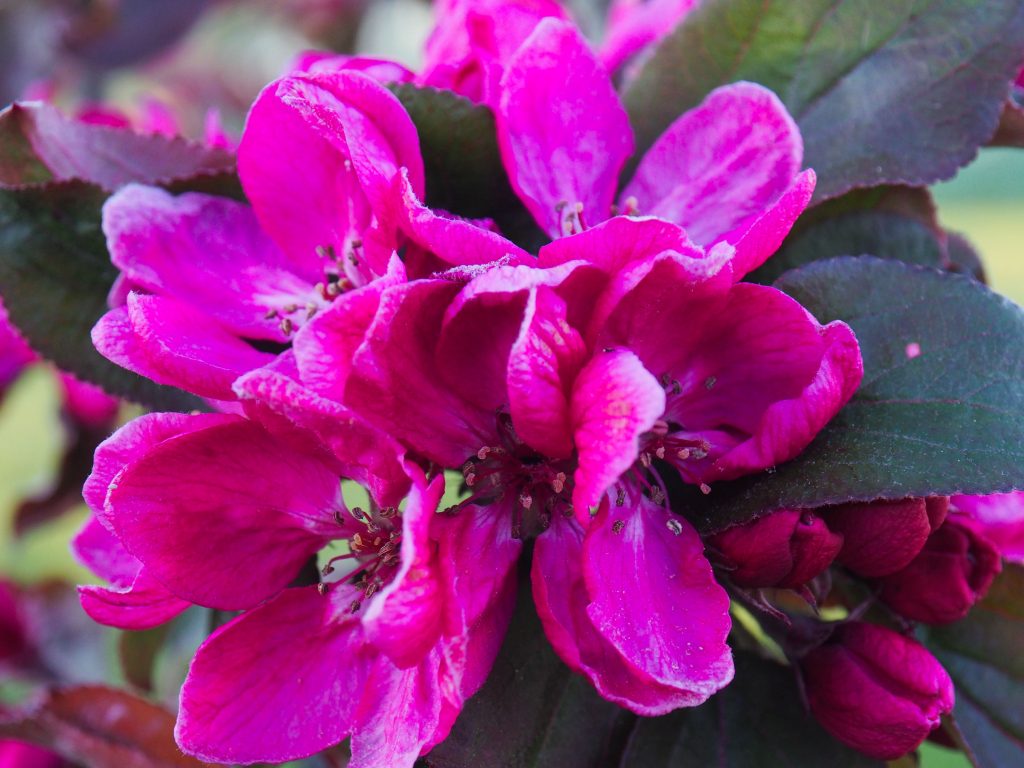
Our Community Orchard Crab Apple looking gorgeous

New attractions

These were spotted today on site:

Hats off for the Stone Painters: Move over Banksy

Himalayan Balsam

Plotters will be aware of this message sent out by Stuart 10 days ago.

Pat Wilson at Aberdeen City Council has emailed to say that some recipients, at other Council allotments, of the recent delivery of compost from the Council have discovered Himalayan Balsam growing in it. This is a non-native invasive species.
“This is an annual plant which grows each year from the previous year’s seeds, so the aim of control is to prevent the plant from flowering and setting seed. Scattered plants are best pulled by hand, being careful to remove the whole plant. Cutting or grazing on dense stands can also achieve control but cutting should not be attempted once the seed heads have formed, as this would effectively spread the plant.”

The young seedlings look like this:

Himalayan Balsam Seedlings

If you have helped yourself to compost please keep checking for these seedlings and pull them out but don’t put them in your compost bin. It has been suggested to leave them on the surface to let them dry out in a controlled environment then bag and removed them from the site for disposal.

Over the next few months we will all have to keep checking as the seeds work their way to the surface. Hopefully with a combined effort we will be able to get rid of this invasion. If we can prevent these plants from reaching the flowering stage we should be ok.

Stuart has arranged for the Council to come and remove the remaining pile of infected compost.

This is a website with information on Himalayan Balsam.

Page 30 of 101

Powered by WordPress & Theme by Anders Norén